
Newsletter
New Work: Love&Crumble
When Bangalore’s cult-favourite cookie shop asked us to shake up their socials, we were thrilled to oblige…
Love&Crumble | The Star Cast | Brand Campaign 2026
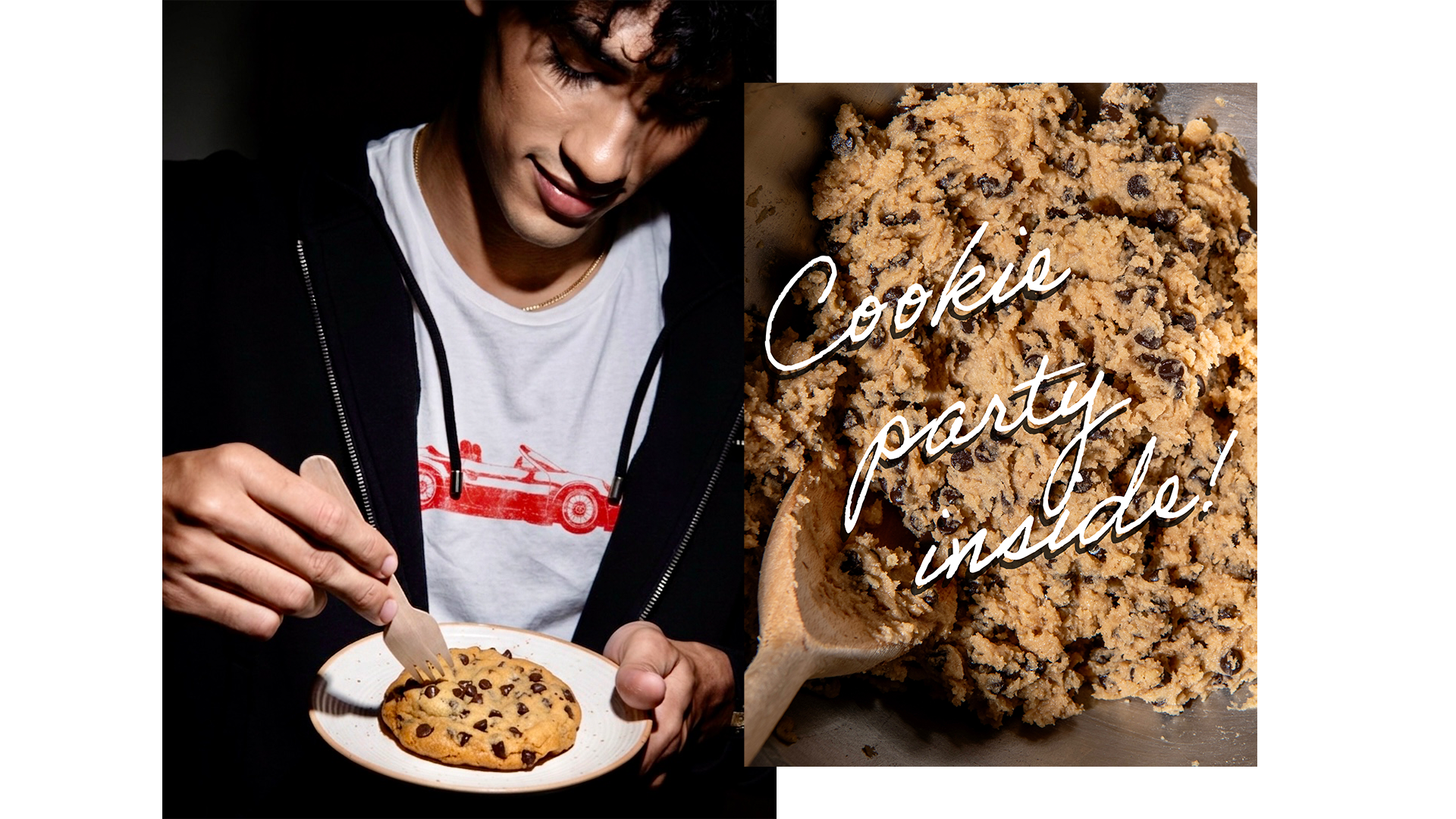
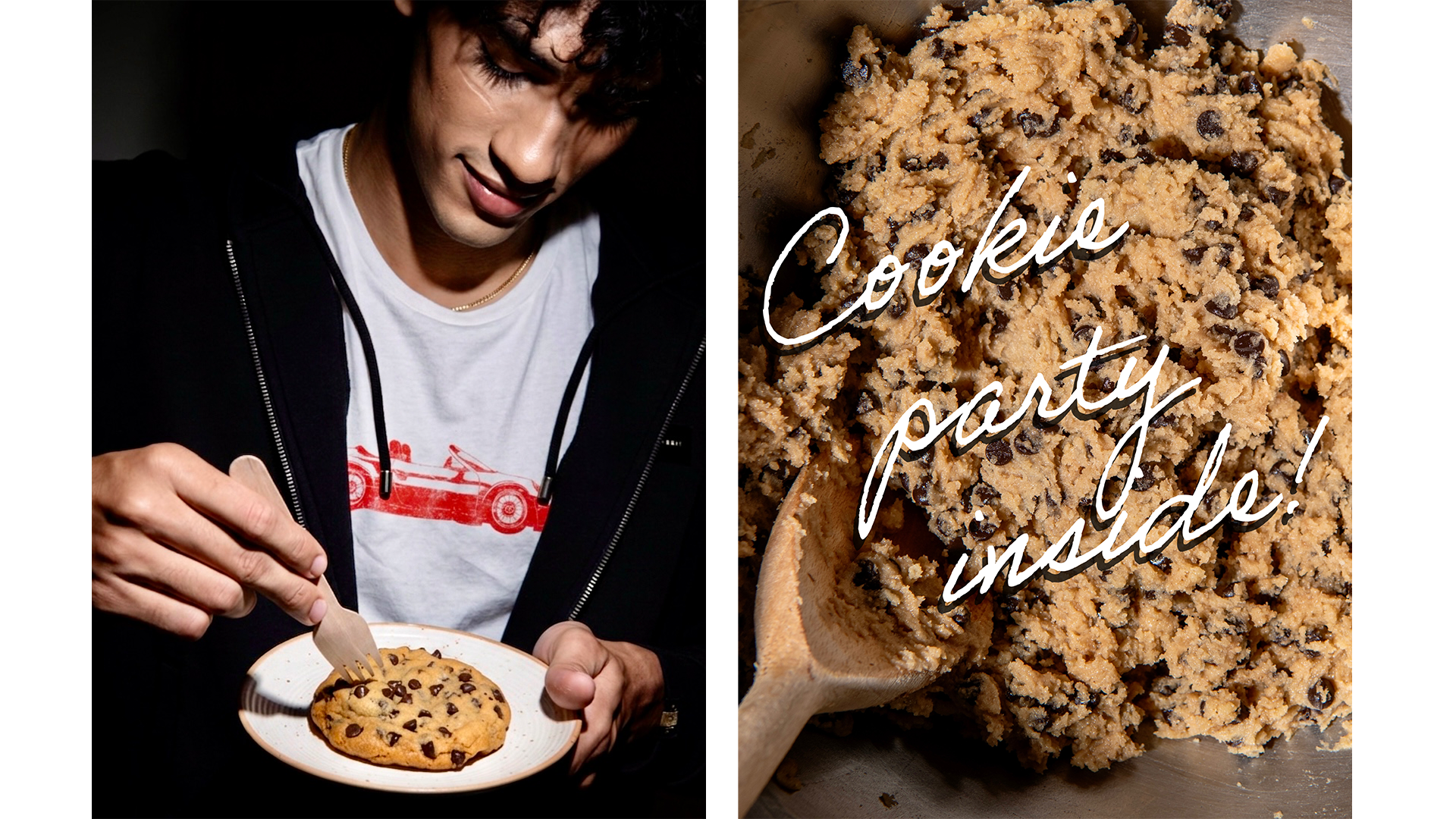
When Bangalore’s cult-favourite cookie shop asked us to shake up their socials, we were thrilled to oblige. Serving up American-style soft-baked treats since 2015, these are those cookies that die-hard fans like Deepika Padukone have posted about being the “best in the world.”
So, the pressure was on to do them justice.
Love&Crumble is exactly the kind of brand you hope to work for—clear on what it stands for whilst lending us free reign to push creative boundaries. Its star cast of flavours are decadent and nostalgic, rewinding us to an era of growing up without a diet in Y2K India:
A candied moment in time captured in memories of afternoons spent burning bootleg CDs; watching Oprah with strings of Nutella dangling off our chins; midnight feasts, where peanut butter smashed with chocolate made us happy-cry; and the kindlings of first love over marshmallows and a bonfire… simpler times, indeed.
We hope this campaign throws you back to those sweet emotions: every bit(e) as localised as it is universal.
Head over to their Instagram to watch it unfold.
Credits
Photography: Nimish Jain
Models: Advith & Sindhu
Creative Direction: Lighter / Suniti Rao
CURRENT FAVES
WATCH Speaking of going back in time, the Ryan Gosling-starrer Project Hail Mary transported us to some of the most special cinematic experiences of our childhood. A near-perfect adaptation of a great book, featuring practical effects, puppetry, and all the feels, it’s the perfect film to drive you back to the movie theatre for a shared experience with your kids, your fellow humans, and a big bucket of popcorn.
LISTEN The Rest is History is one of our favourite podcasts, for its unglorified retellings of the events that have shaped who we are. Its recent series on the 1979 Iranian Revolution is the perfect starter-course for anyone looking for further context on our current moment. As (ironically) Harry Truman famously said, “The only thing new in the world is the history you don't know.”
Until next time, go lightly x

People Everywhere
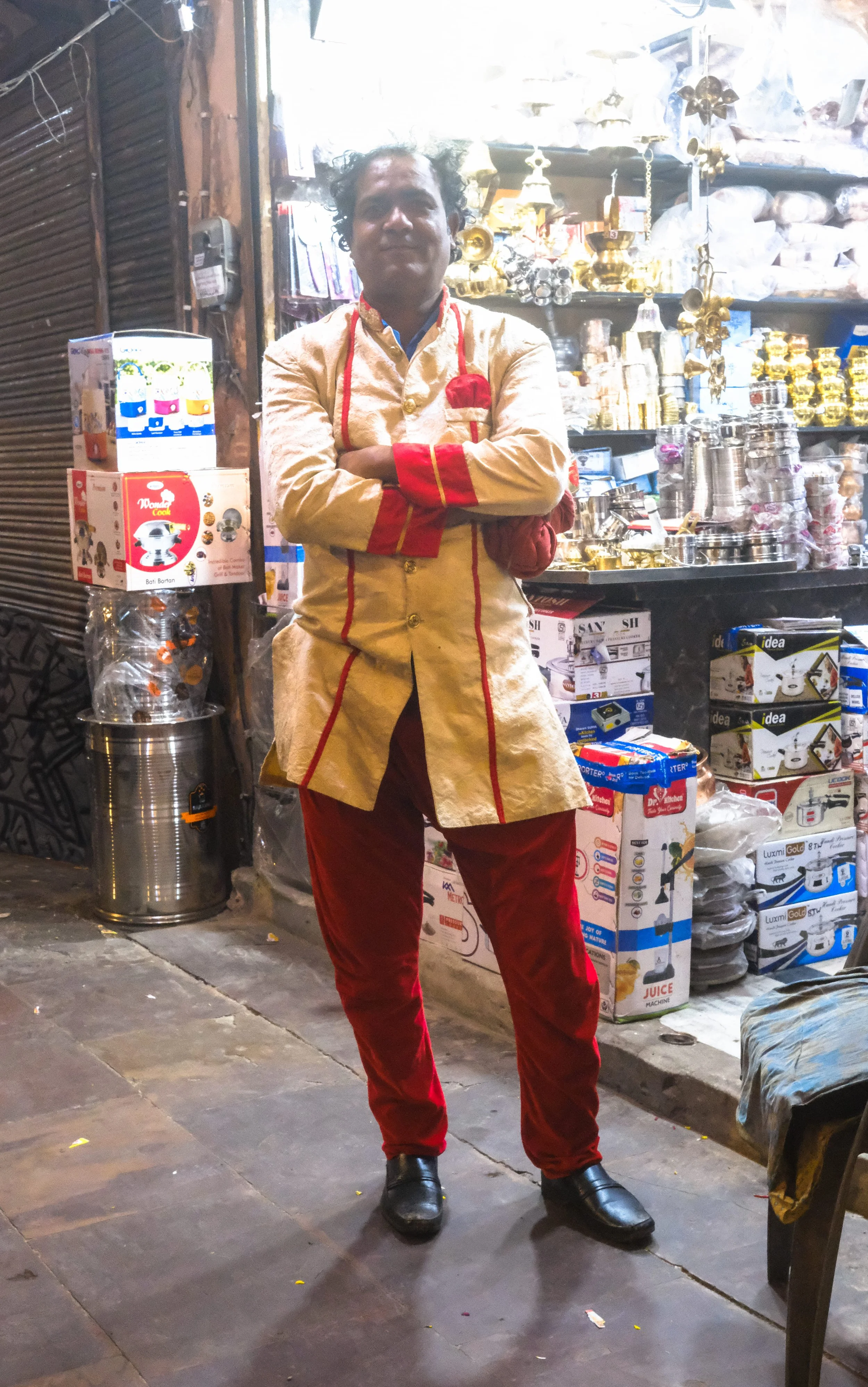
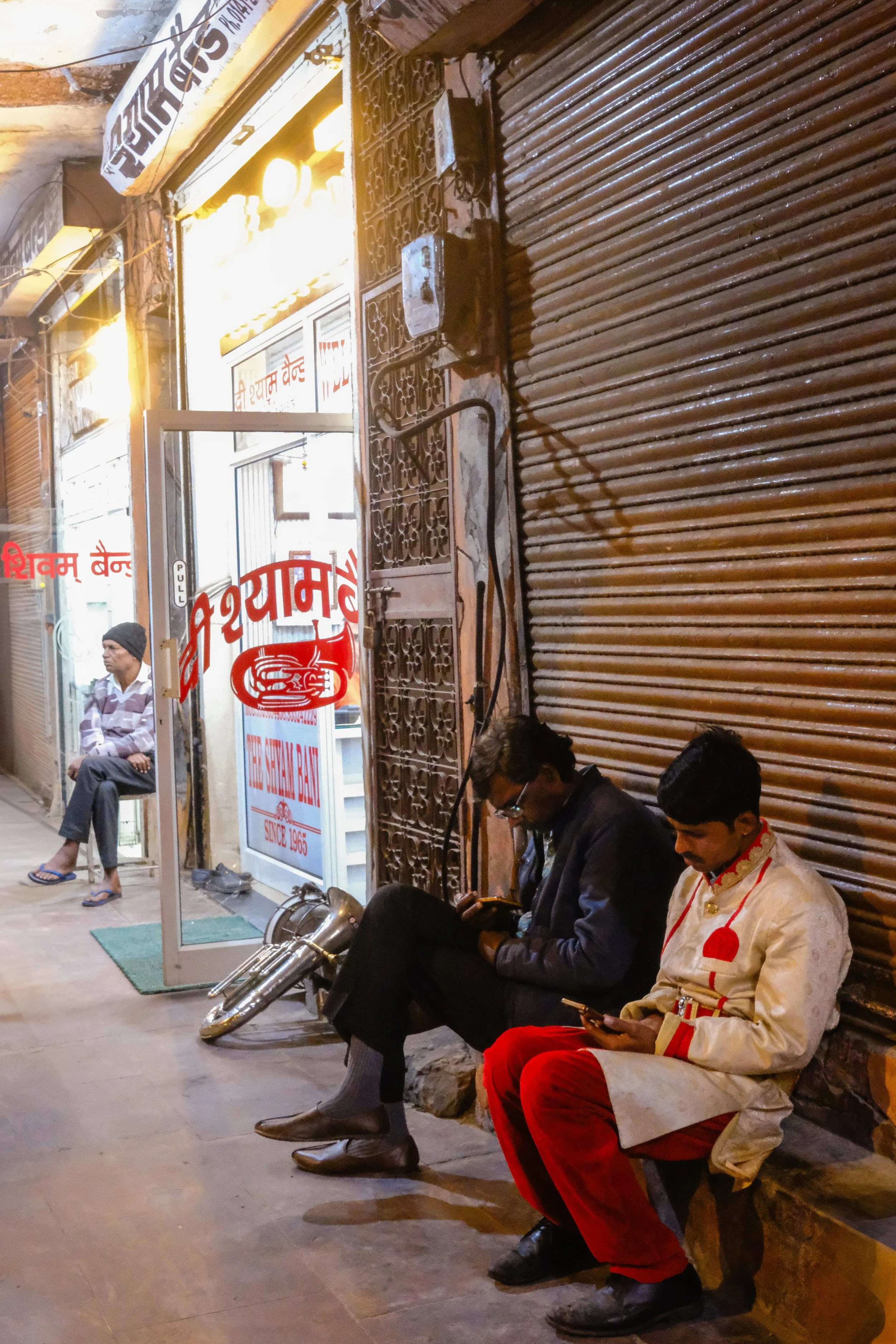
Our co-founder, Suniti, travelled to Kochi, New Delhi, and Jaipur last month for work and play. Along went a generously handed down Fujifilm X-E4 camera—and with it, a renewed curiosity about this land we call home…
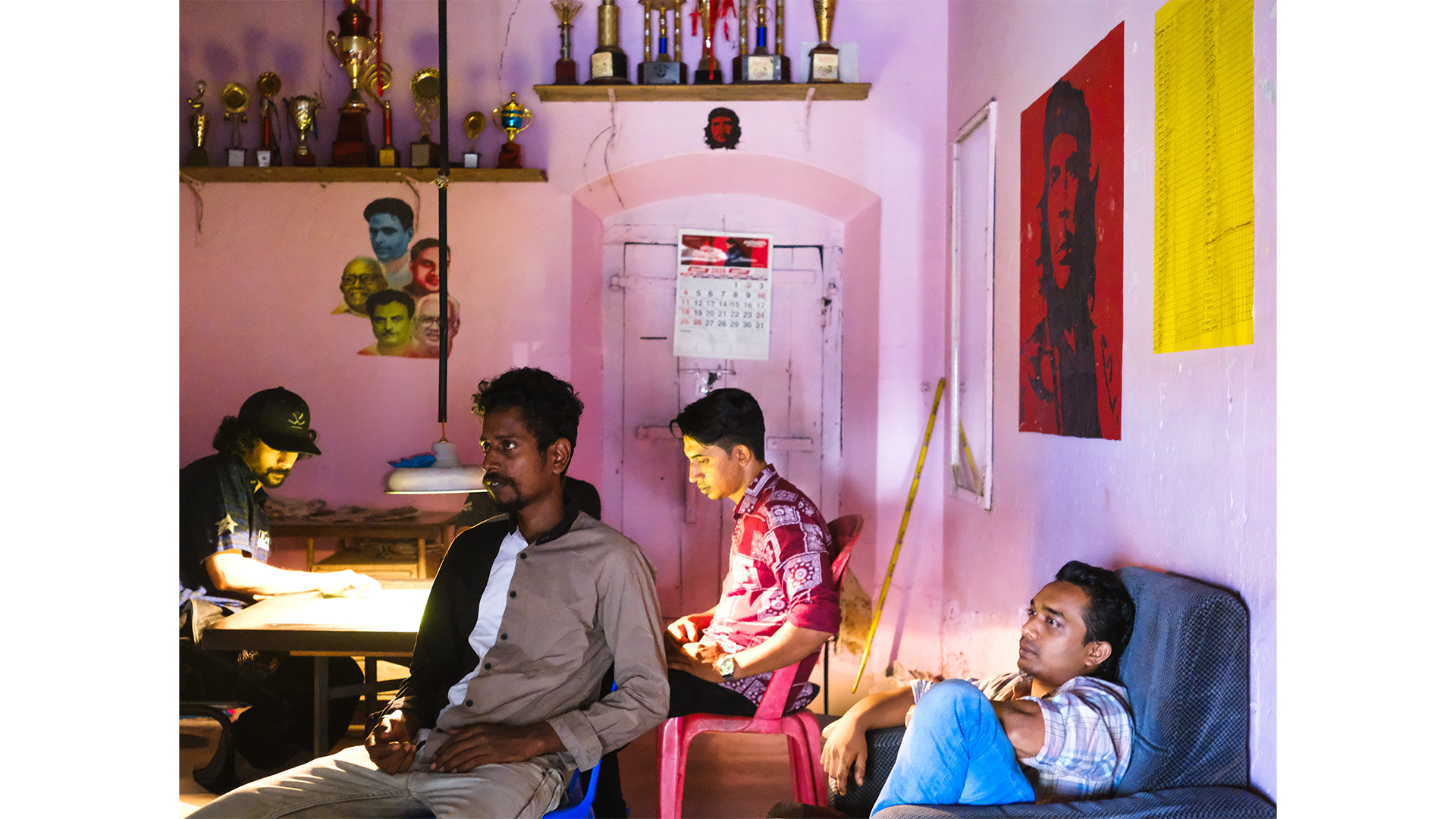
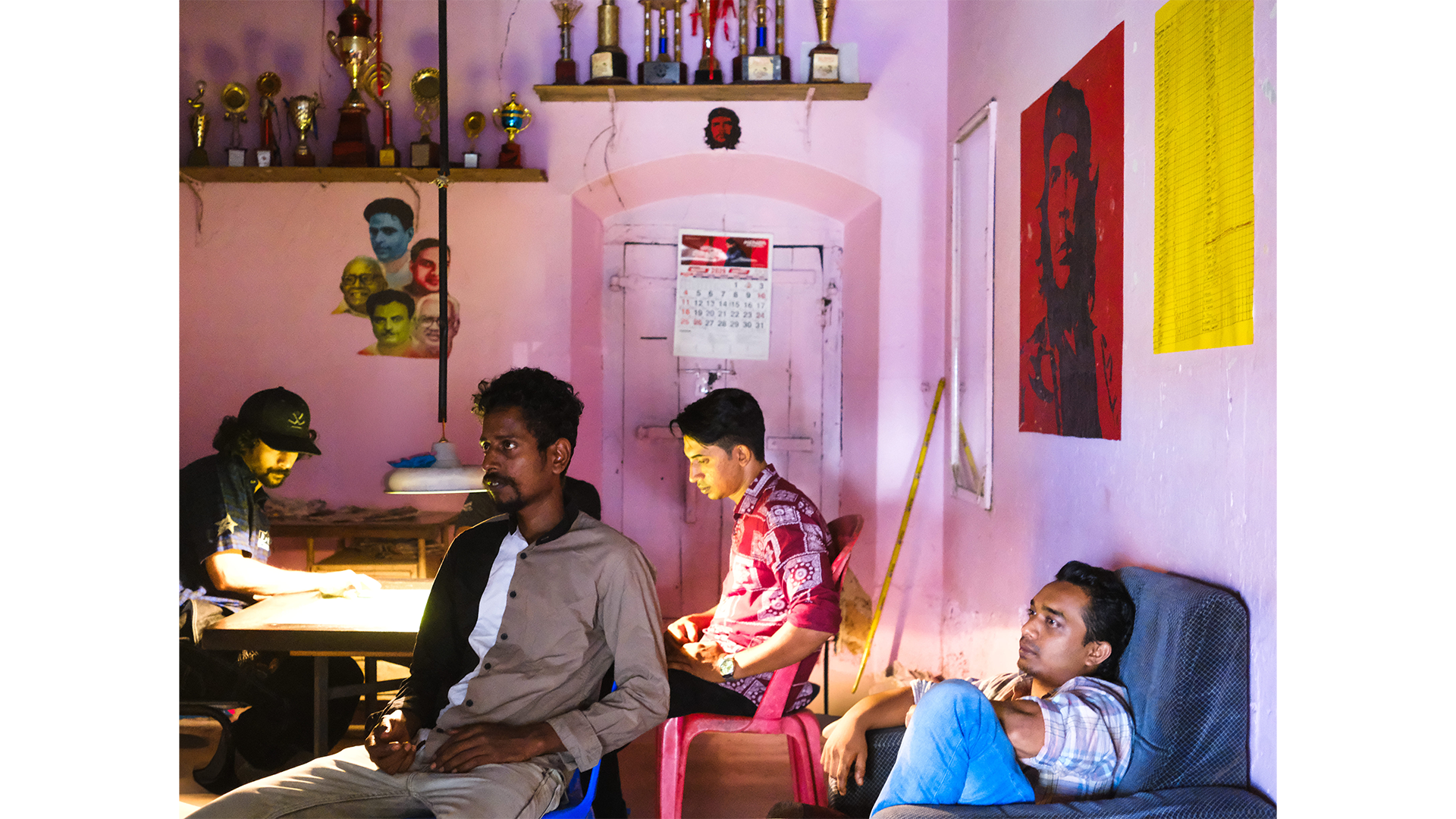
Image: Red Youngs Sports Club, Fort Kochi.
Our co-founder, Suniti, travelled to Kochi, New Delhi, and Jaipur last month for work and play. Along went a generously handed down Fujifilm X-E4––and with it, a renewed curiosity about this land we call home, which continues to resist all attempts to be defined or organised around a single, linear narrative.
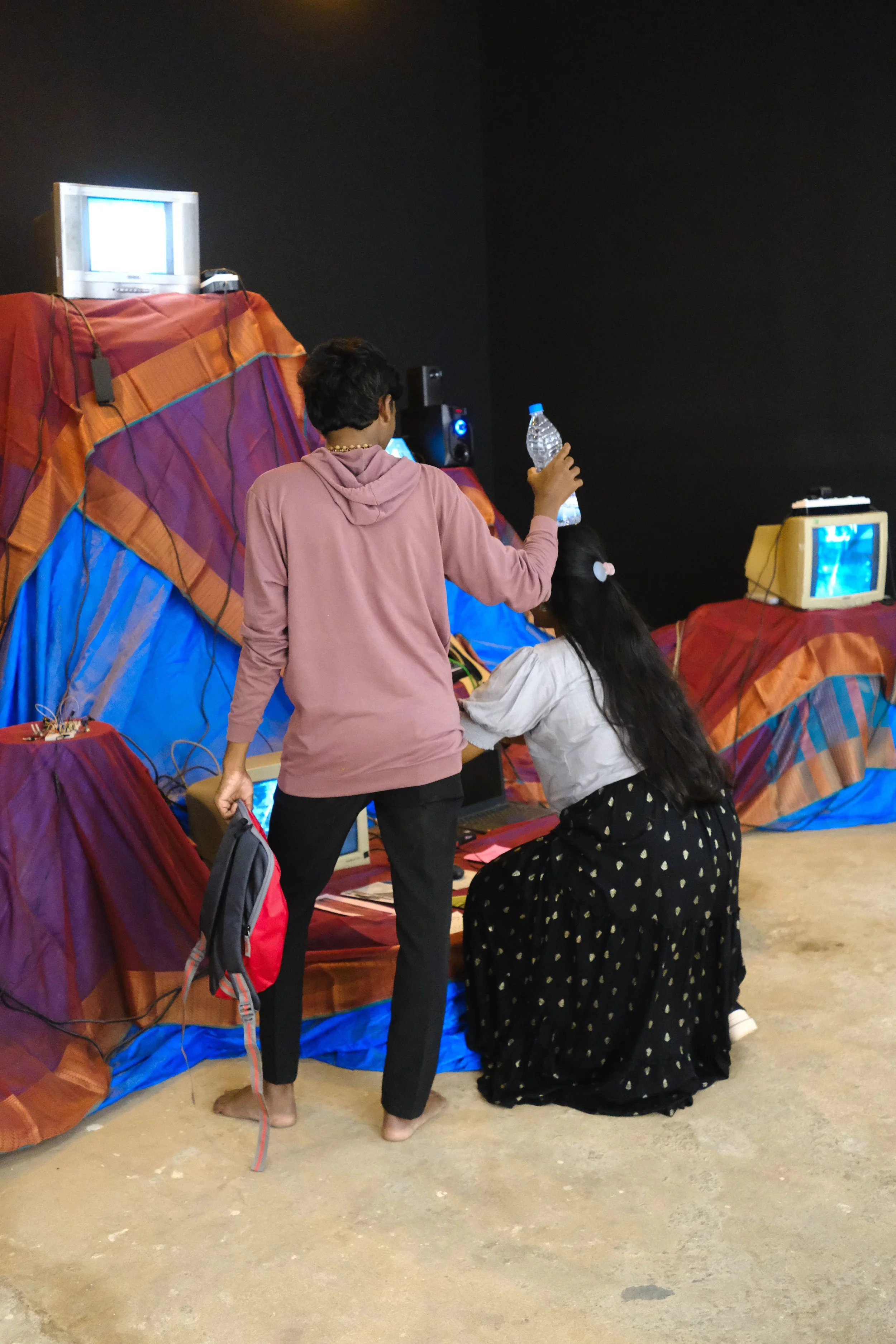
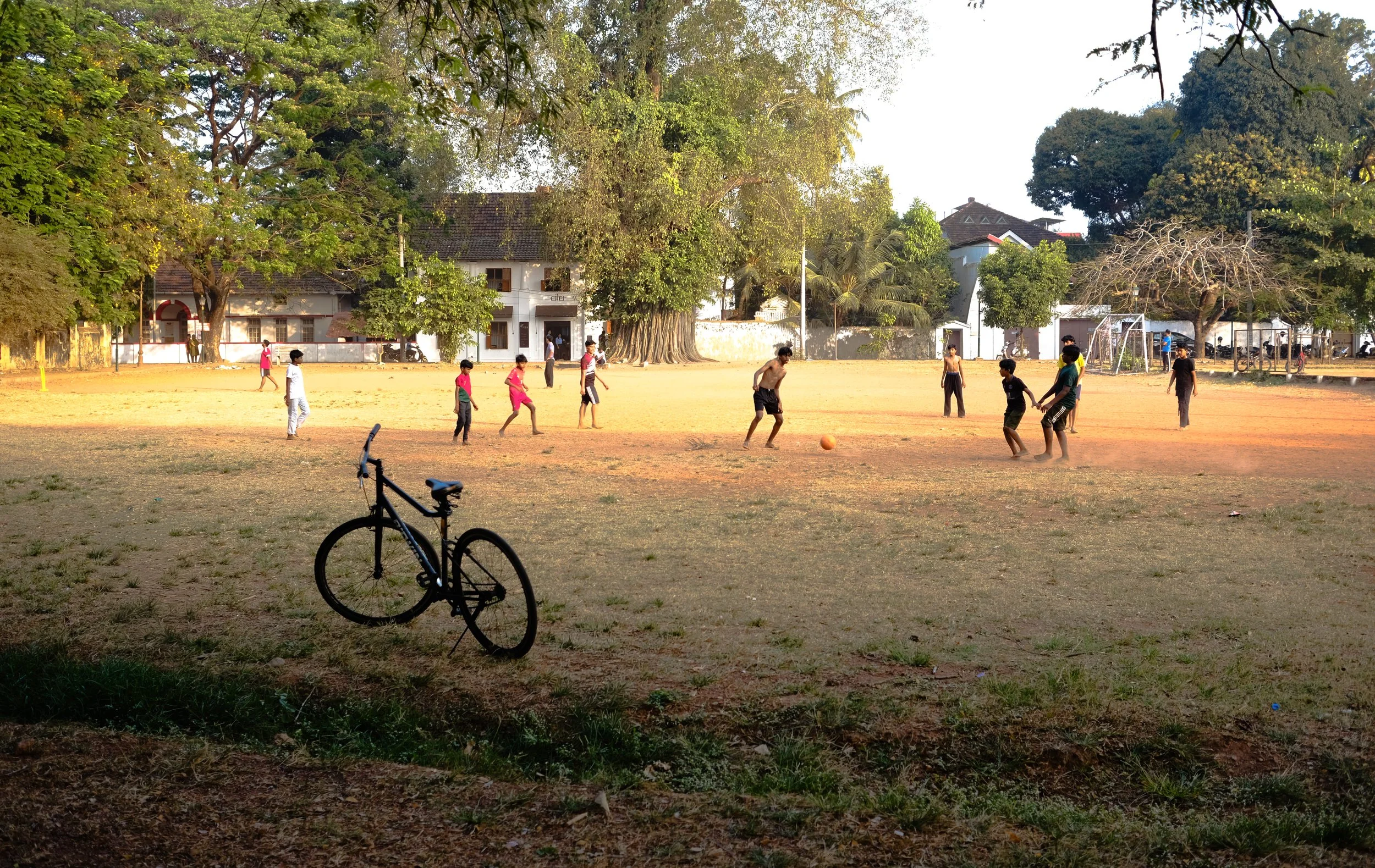
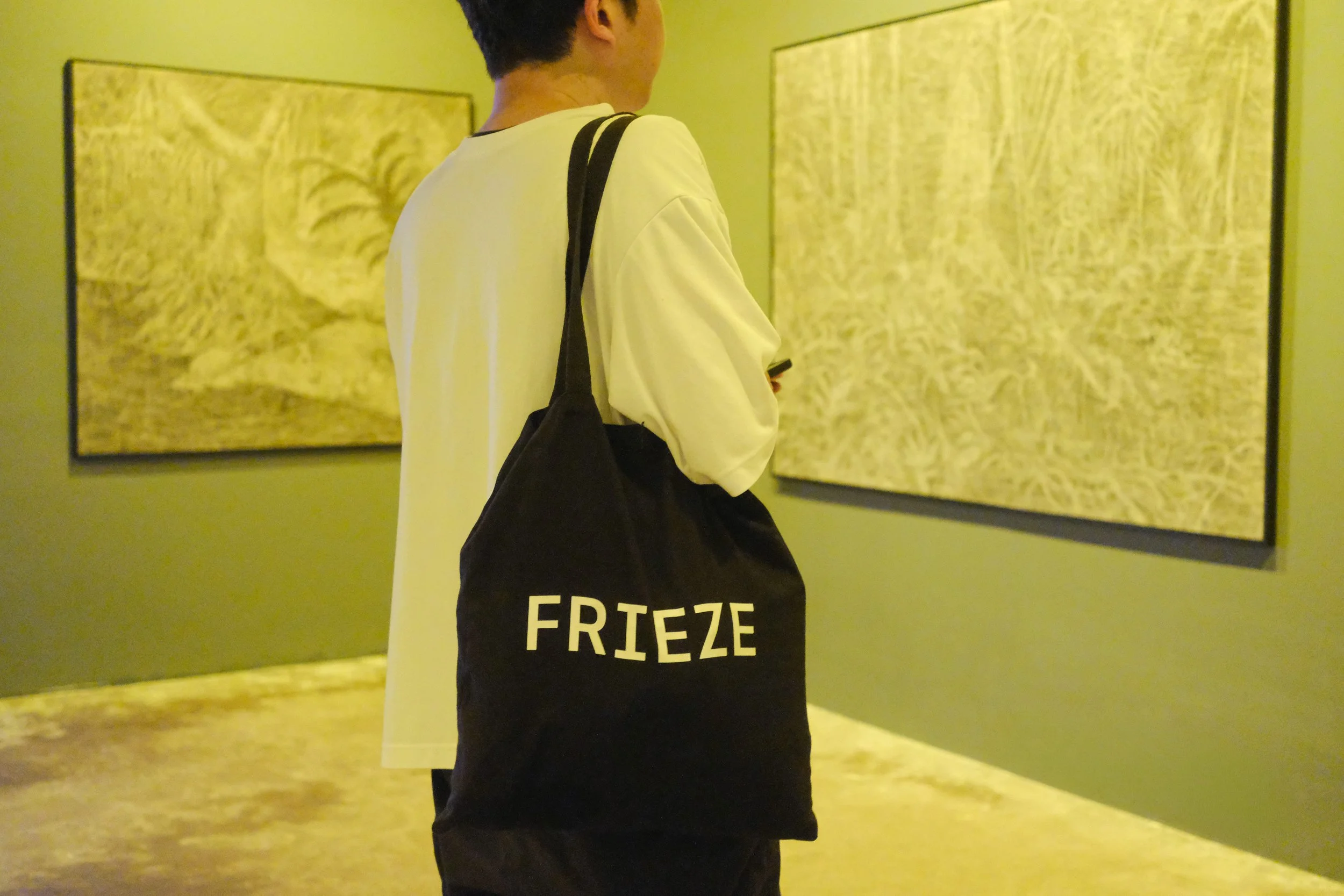
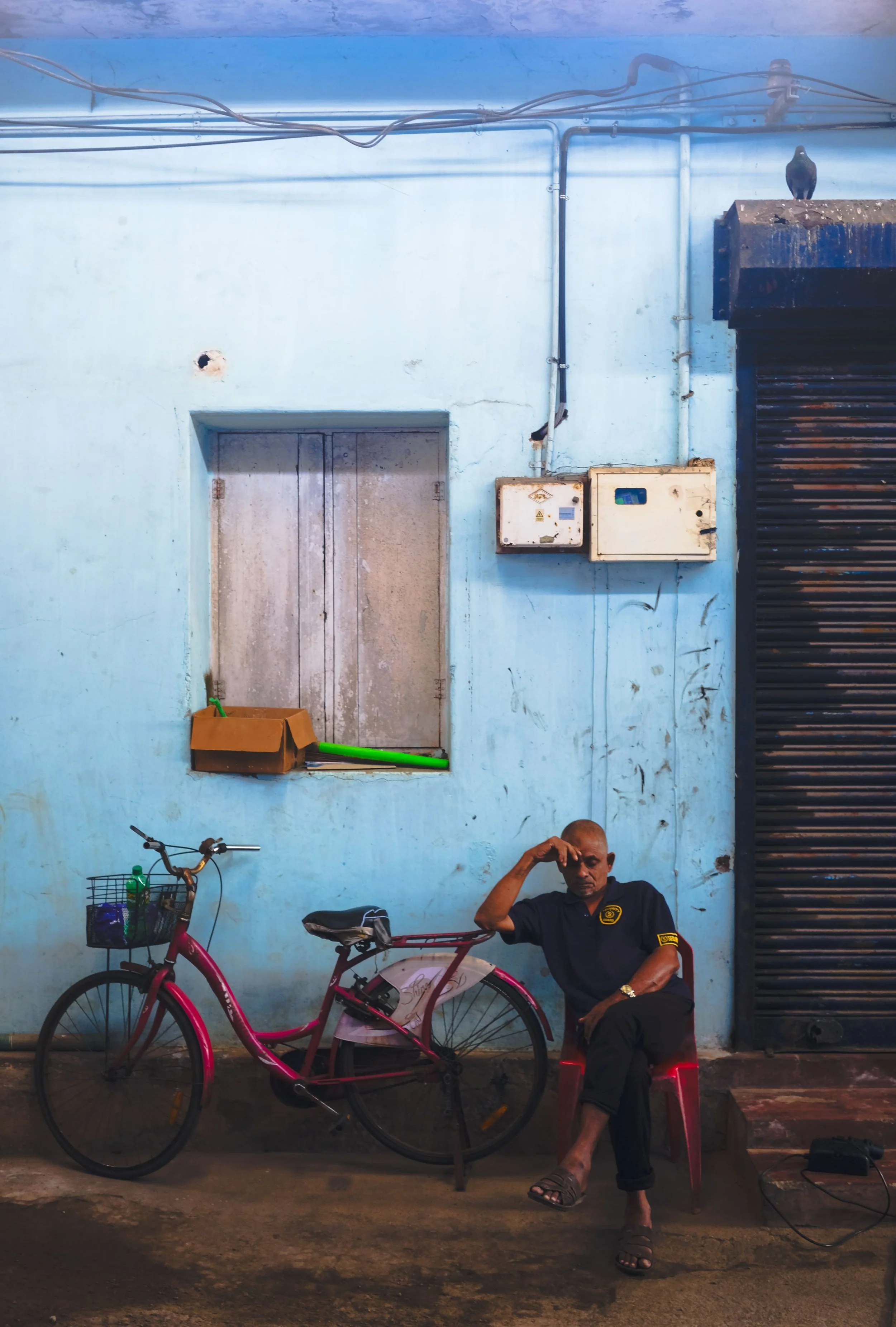
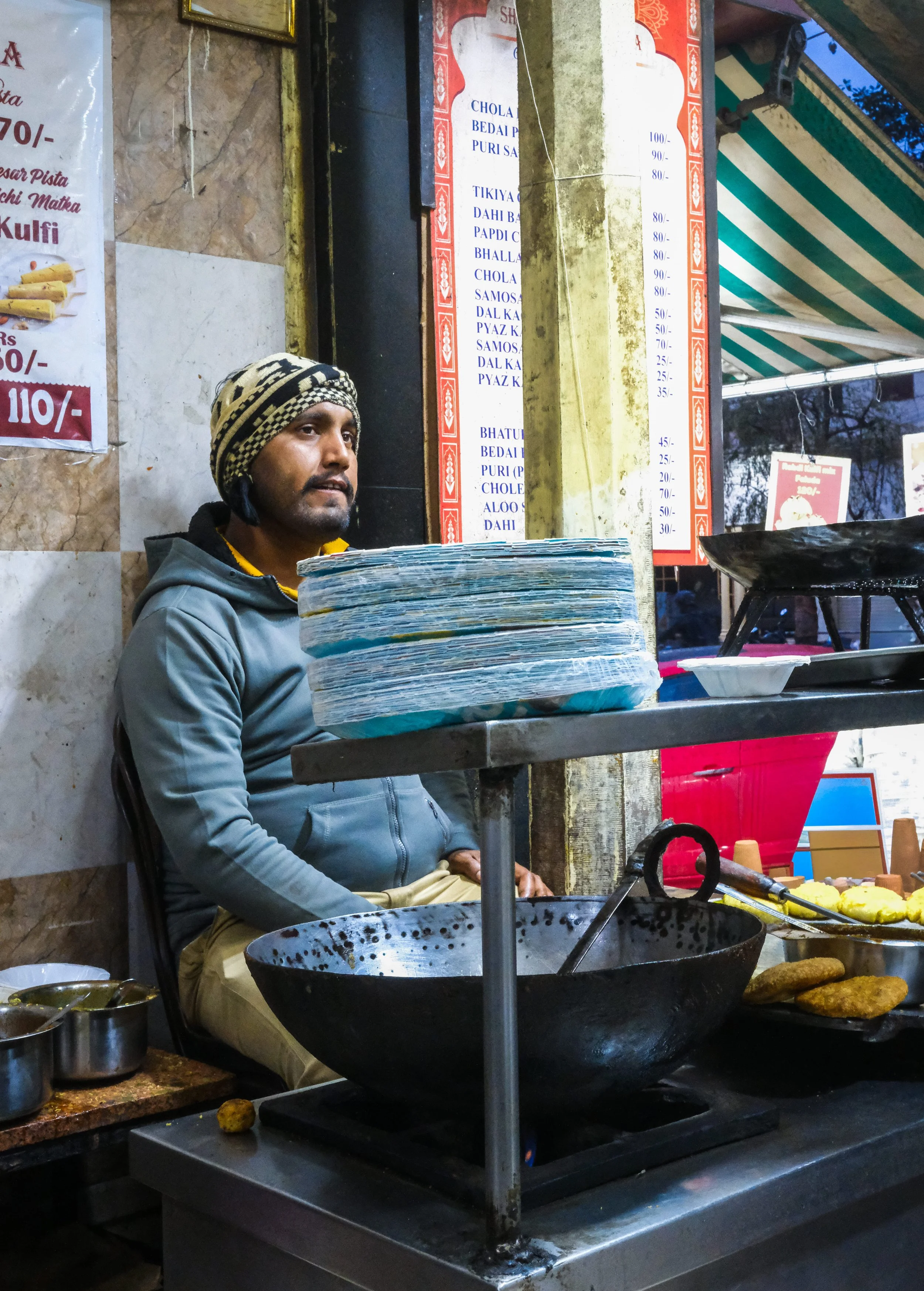
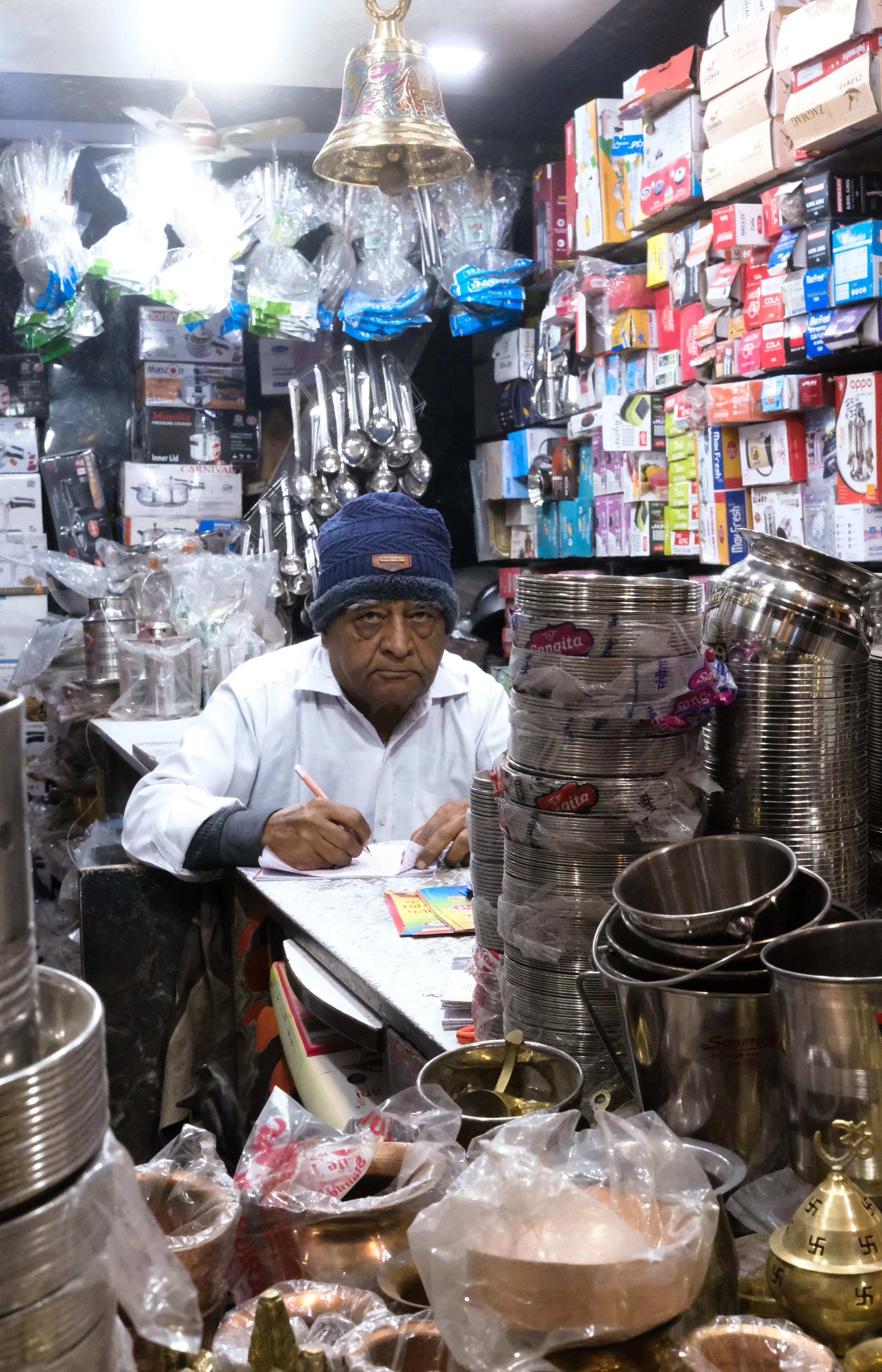
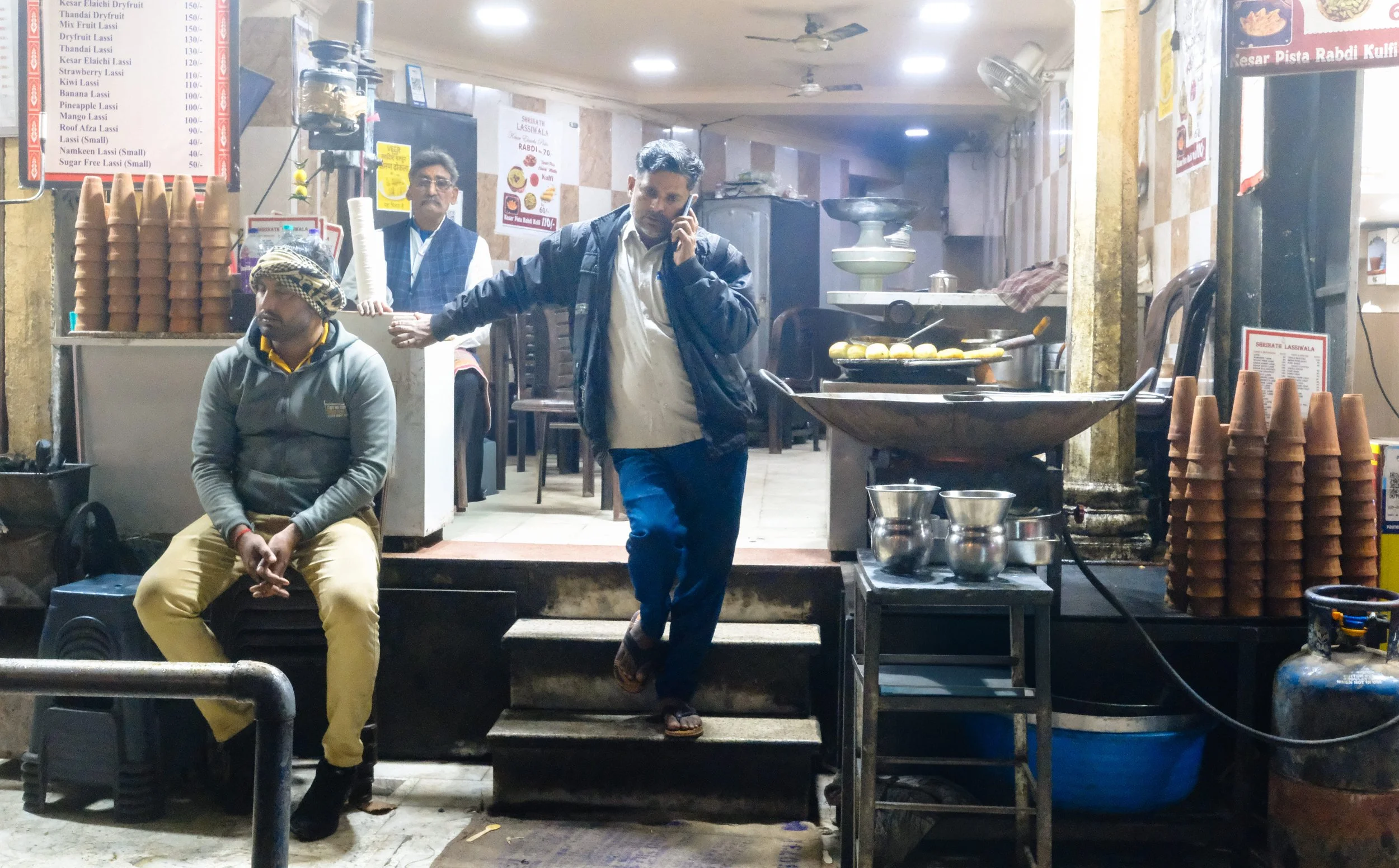
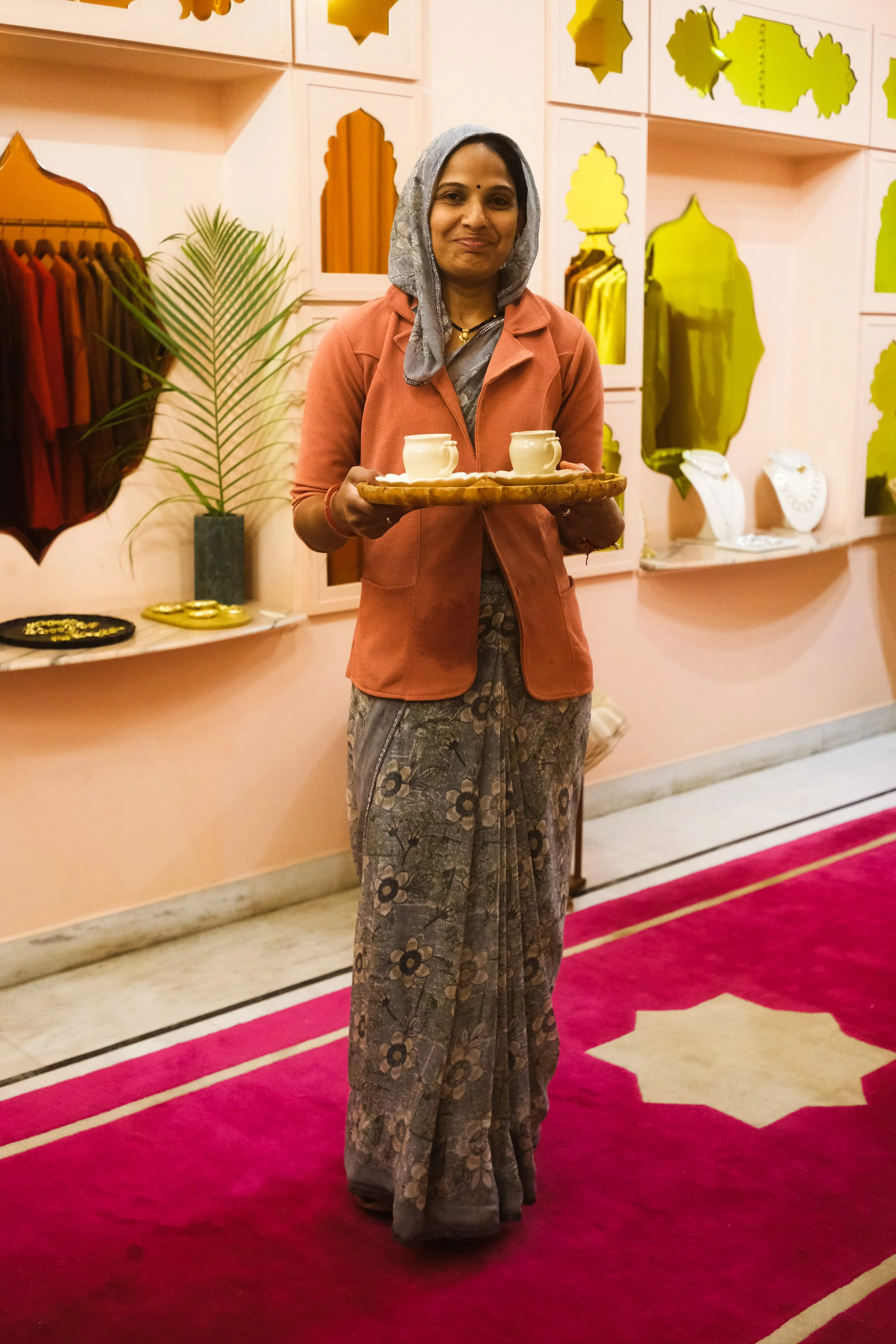
So, enjoy this beginner’s photo essay, focused on the people she encountered at the Kochi Biennale, in Old Delhi, and on the streets of Jaipur, starting with a portrait inside the Red Youngs Sports Club––a Communist gathering of Che Guevara stans who meet to play carom every week, and unhesitatingly offered to pose for the camera when she walked in.
Below: Old Delhi, at the Red Fort.


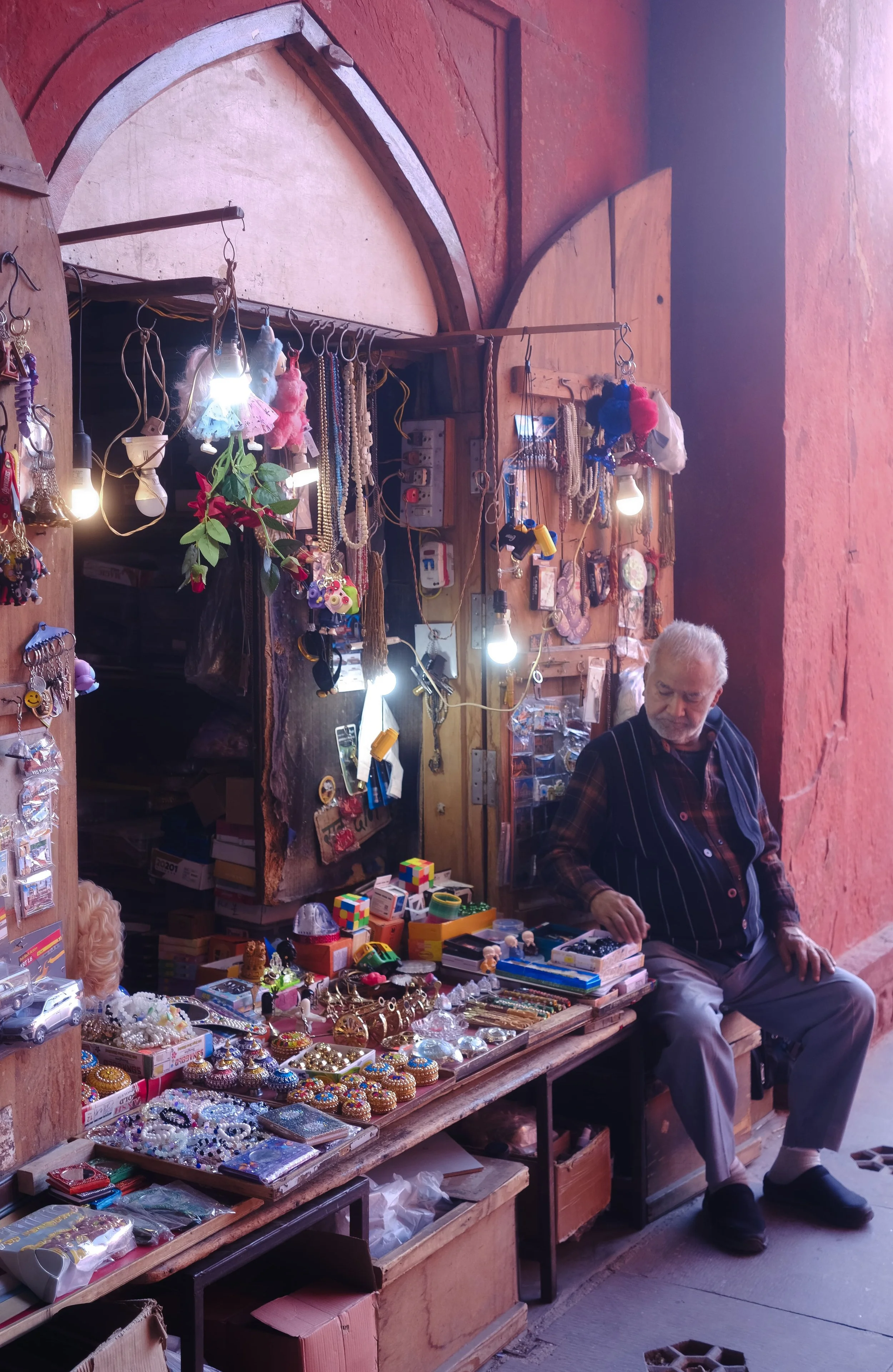


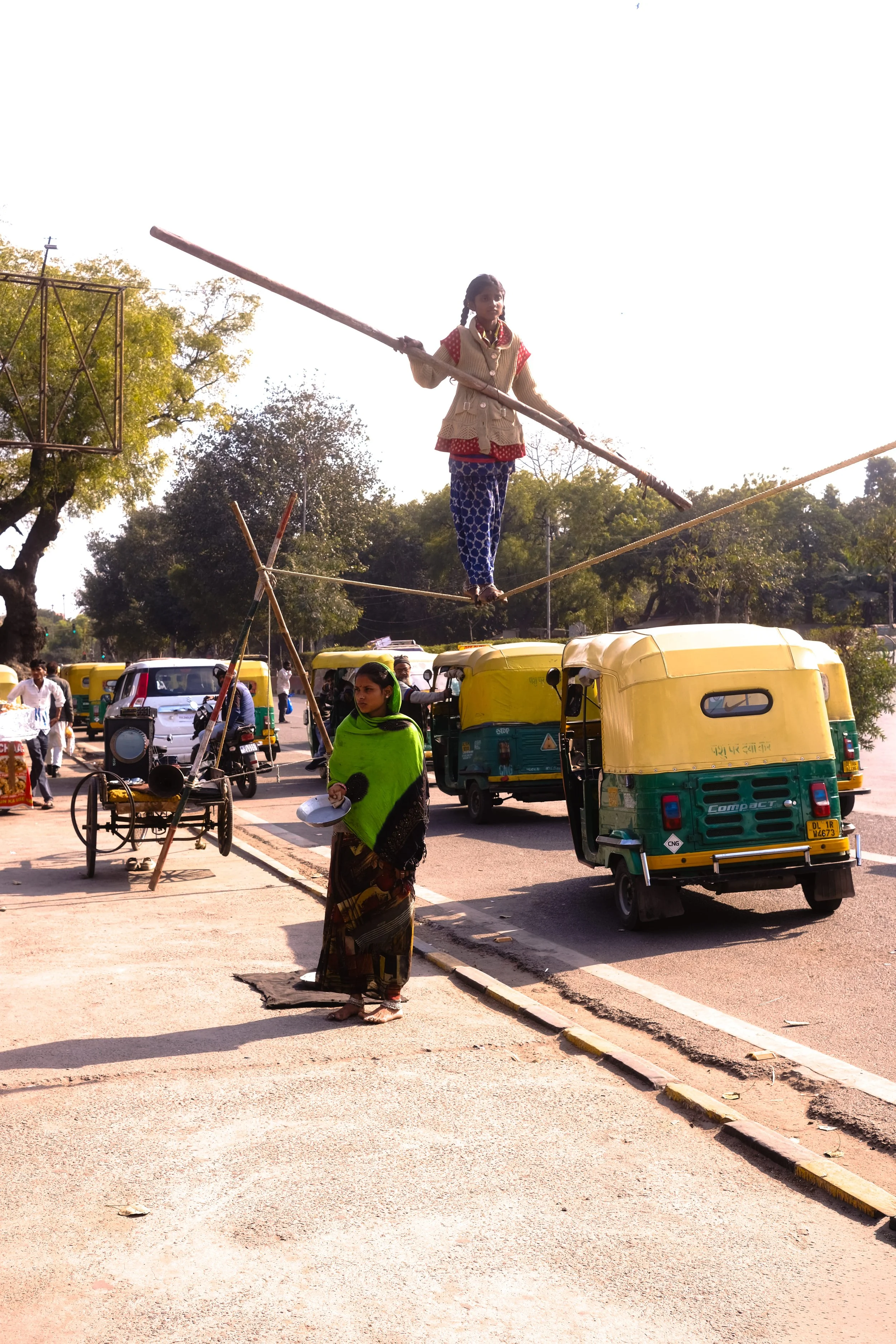

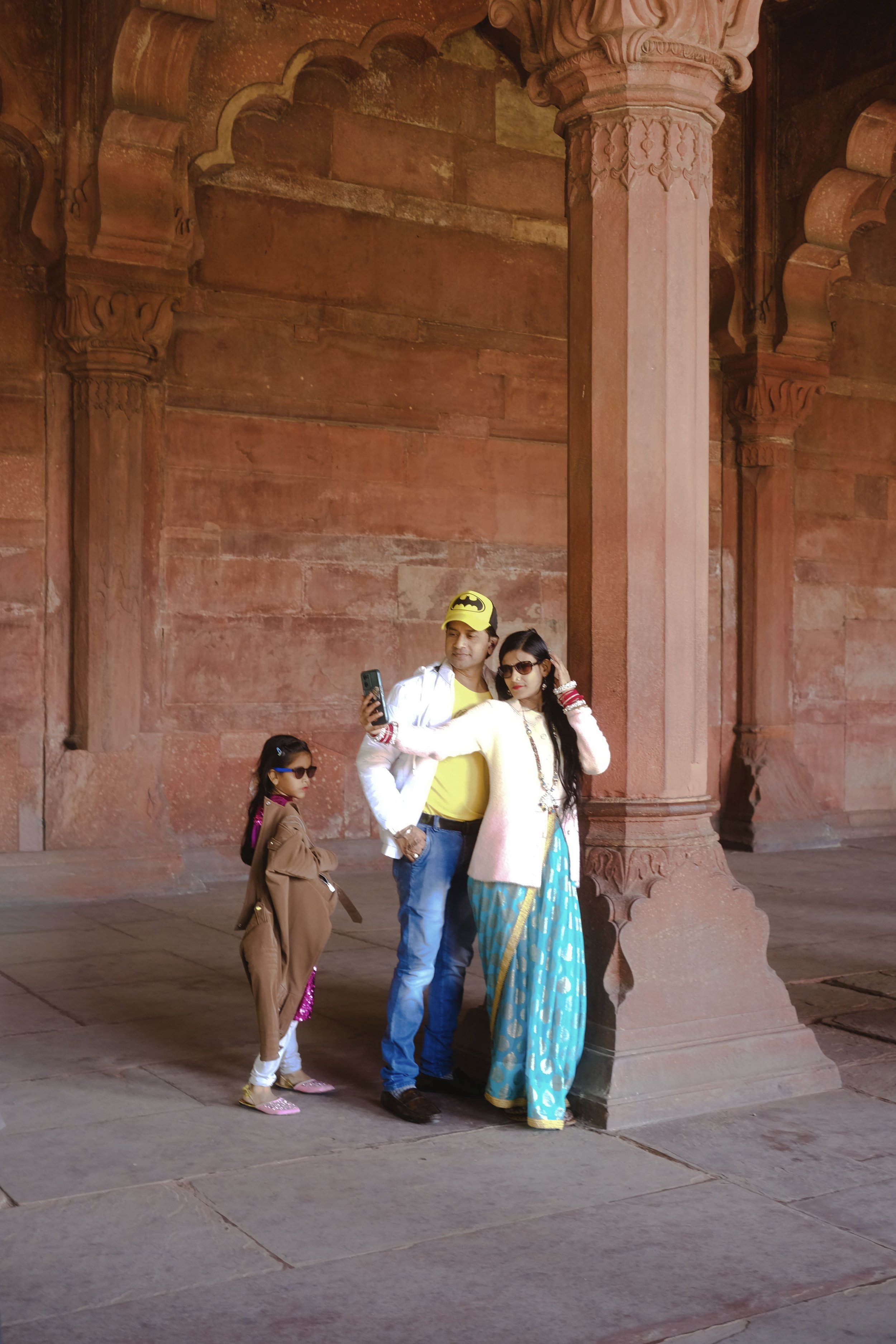

Below: More from Fort Kochi and the Biennale, where the people were often as compelling as the art around them.



An exquisite 2D animated short film, inspired by the Jungle Book, from the Gorillaz’ latest album पर्वत aka The Mountain.
Below: Golden hour spent at Chandni Chowk (with a helpful auto rickshaw driver who boasts an enviable 90K Instagram following).
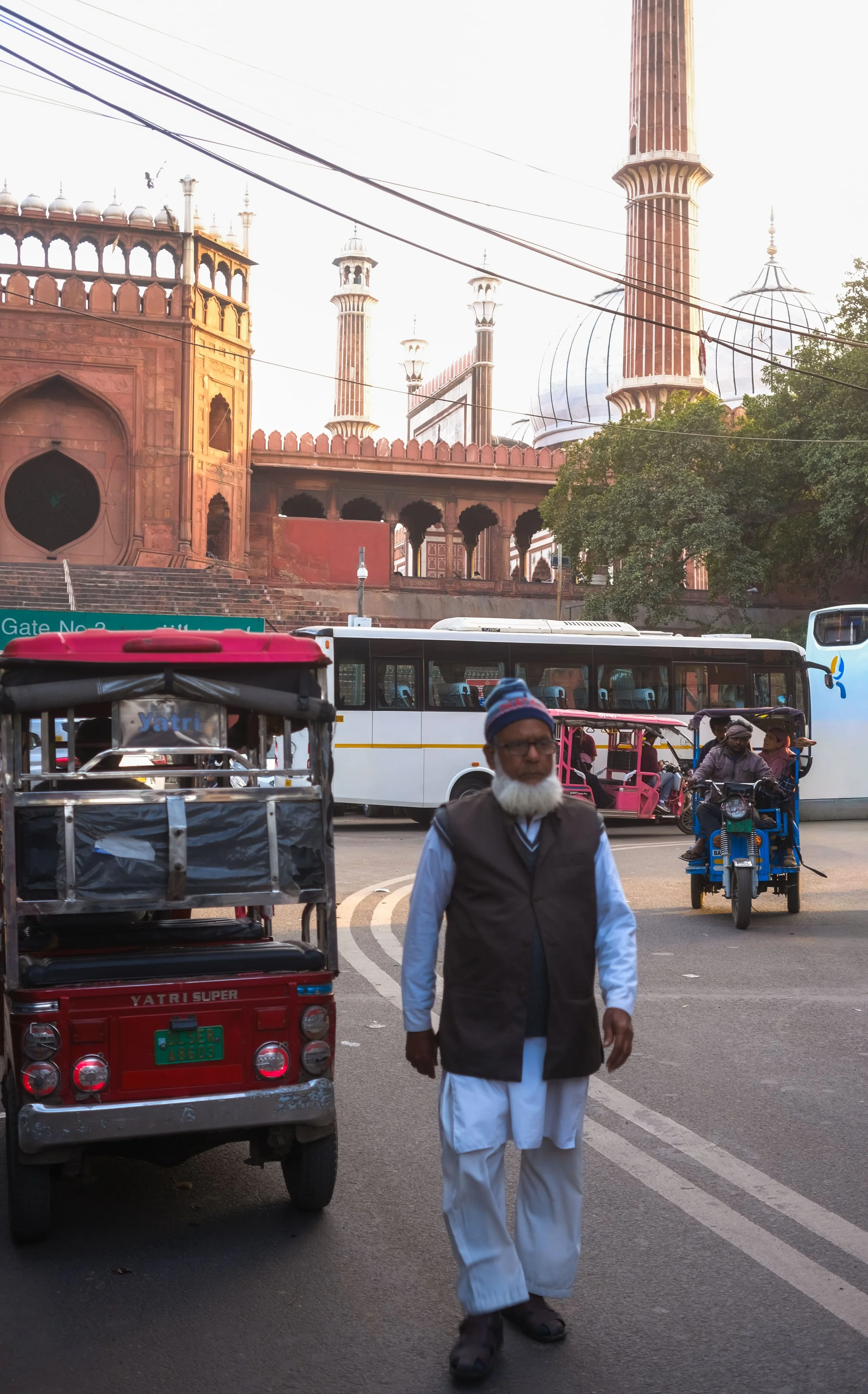
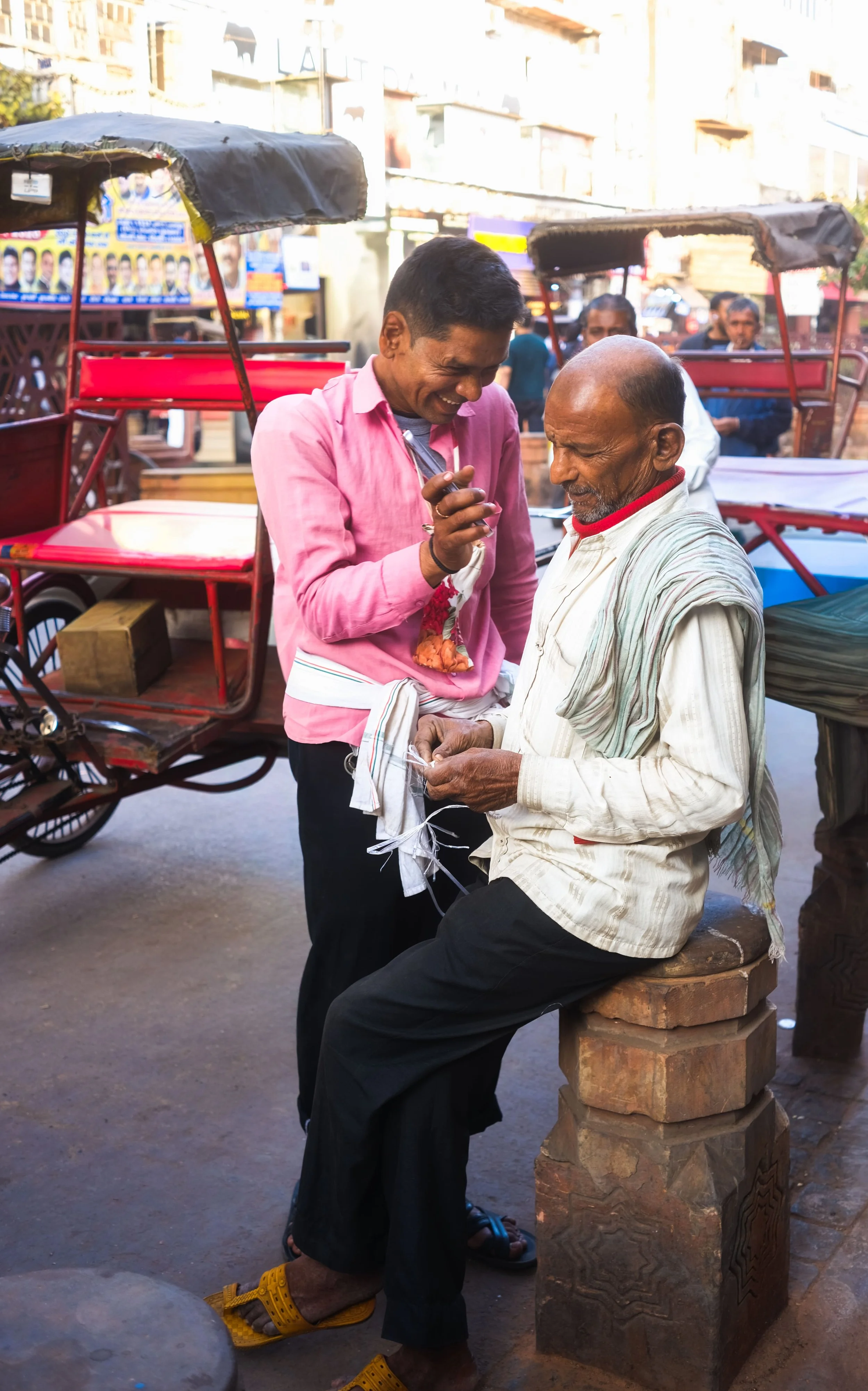
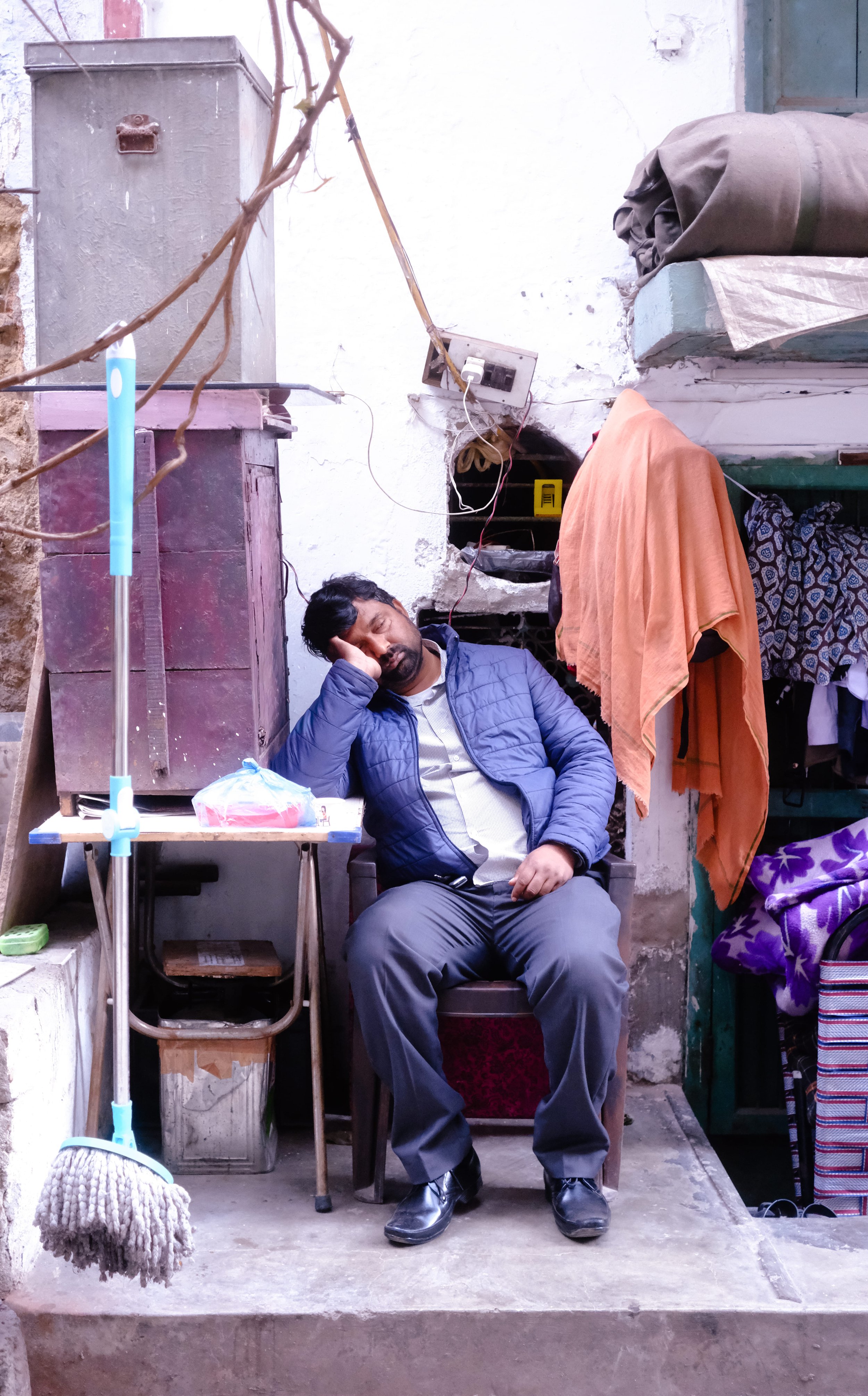
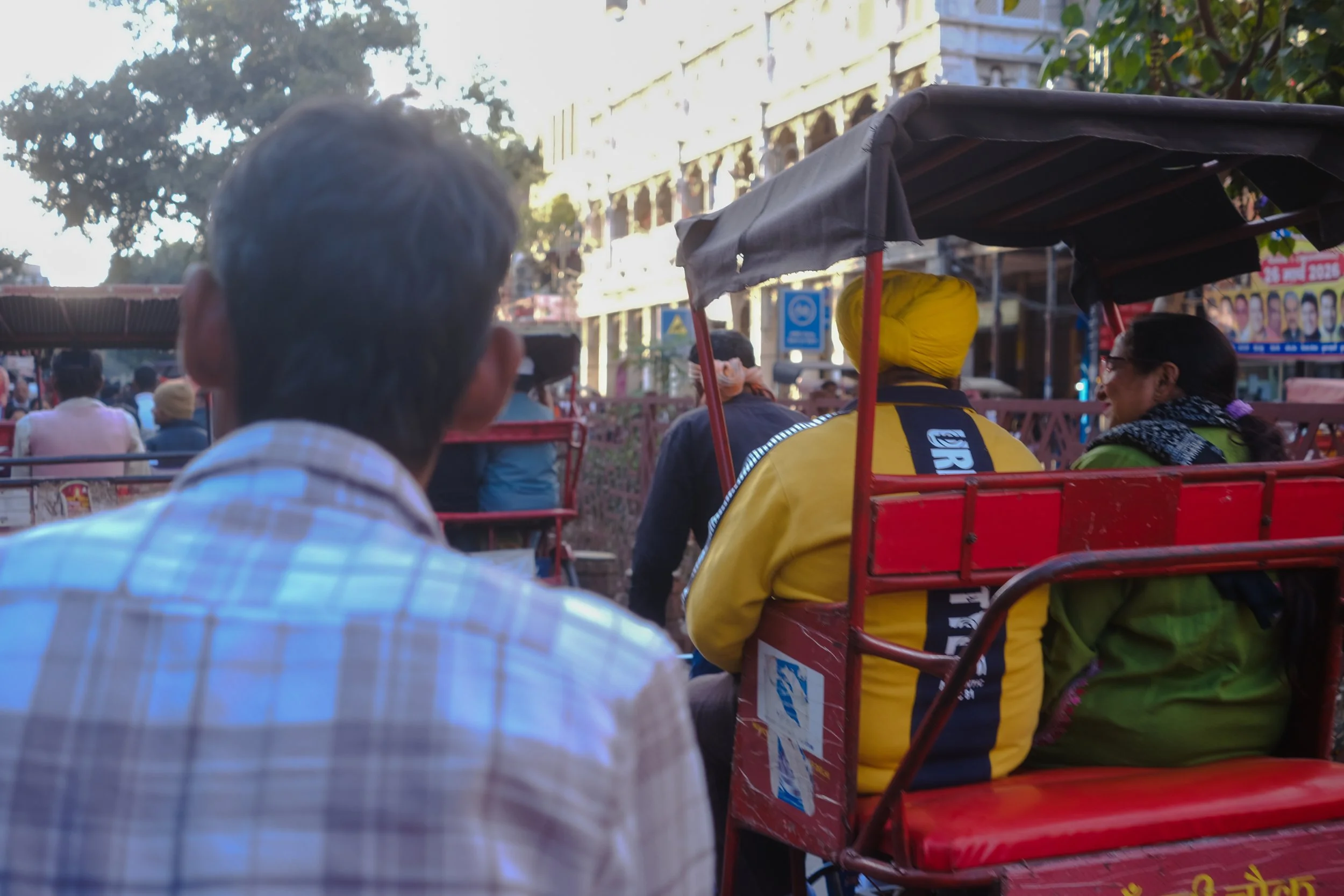
Below: And finally, Jaipur, whose flamboyant architecture and vibe lends its inhabitants a flair like none other.


CURRENT FAVE
LISTEN How serendipitous for the Gorillaz to release their ninth album, The Mountain, described by Pitchfork as a “a characteristically audacious monument to grief, India, and archival memory.” With collaborators from Asha Bhosle and Anoushka Shankar, to Johnny Marr, Yasiin Bey and Omar Souleyman, it is a globally uniting feast for the senses.
Go lightly x
Sentimental Value
Time is a flat circle. It can certainly feel that way—especially when history insists on repeating itself, in both the micro and macrosphere. Did I break a New Year’s resolution before mid-January again? Did the USA just invade an oil-rich country again??
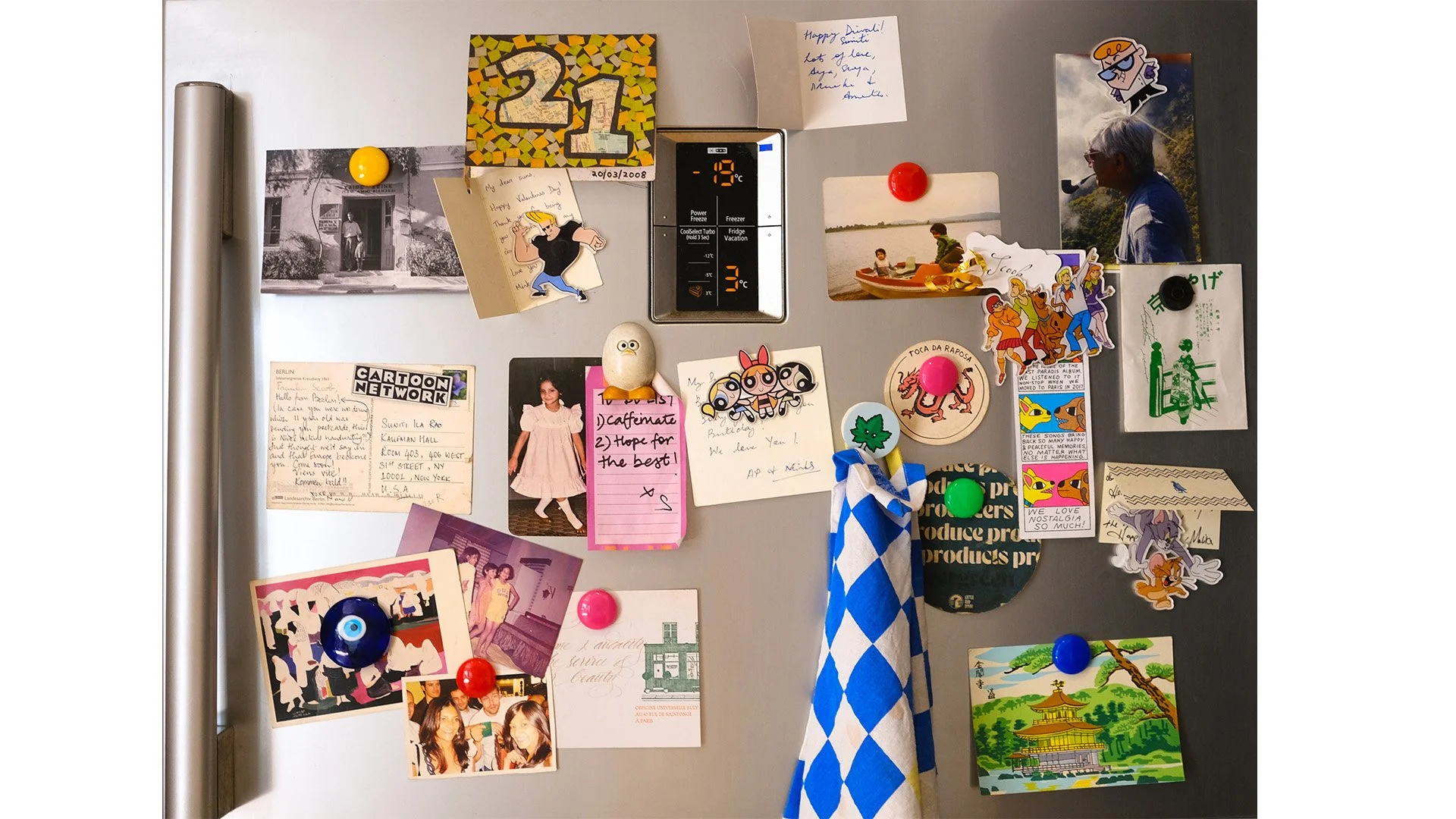
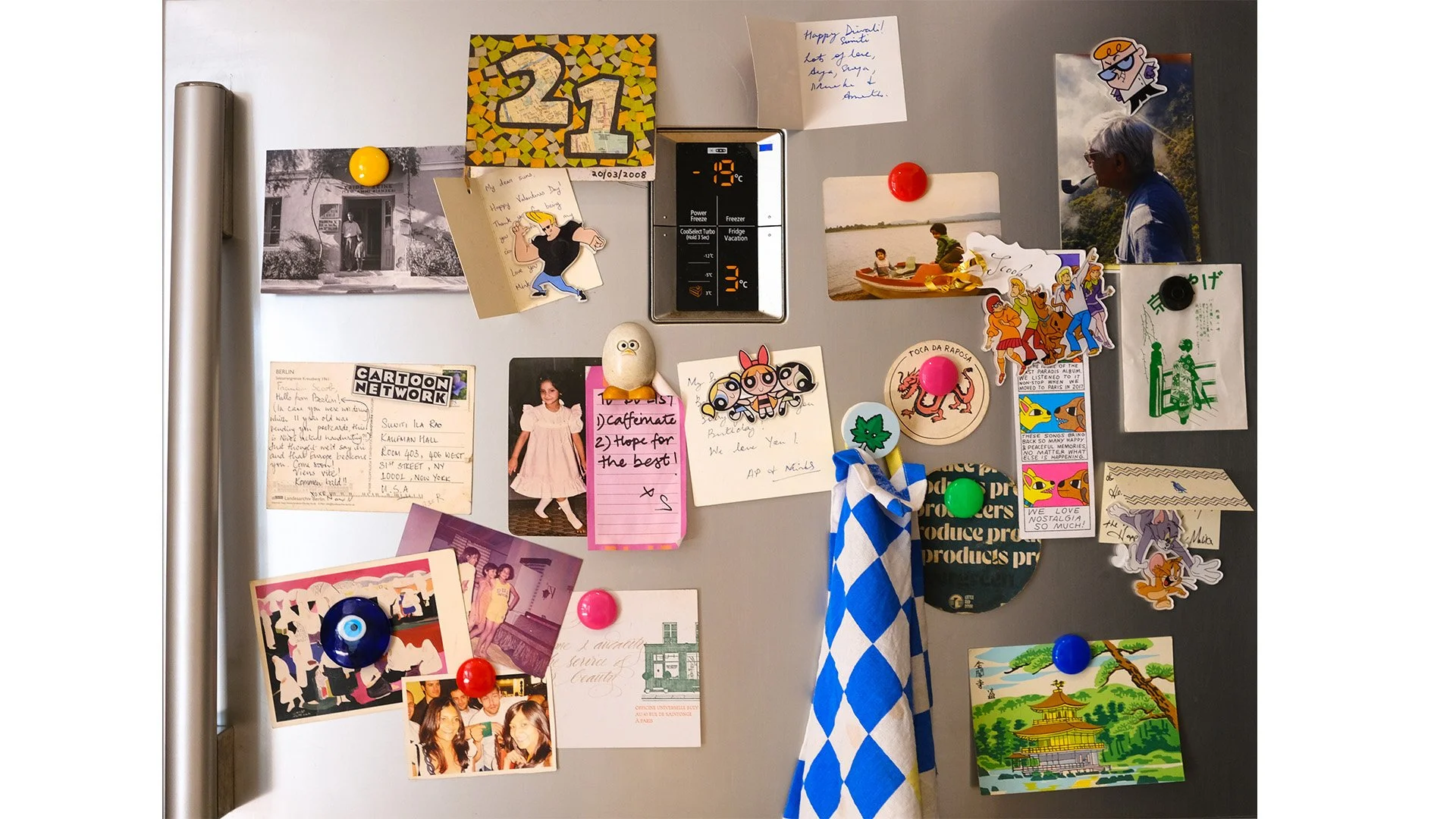
Image: Frozen In Time, 2026
Time is a flat circle, wrote 19th century philosopher Friedrich Nietzsche. Humans are doomed to live the same lives over and over, stuck in an infinite carousel of repetition. It can certainly feel that way—especially when history insists on repeating itself, in both the micro and macrosphere. Did I break a New Year’s resolution before mid-January again? Did the USA invade an oil-rich country again??
But nihilistic as it sounds, Nietzsche intended the expression as a cause for celebration. He wanted us to aspire to a higher state of being, knowing every moment would return forever. He hoped we could overcome pessimism by affirming life because of its tragic limits. What if these wearisome patterns keep showing up on our doorsteps as an opportunity to change?
And what better era to operate in true context than now, when time is literally a flat circle—when all of human history exists in orbit around us, accessible at the touch of a fingertip?
We recently watched Sentimental Value, the latest offeringfrom Danish-Norwegian writer-director Joachim Trier. It’s not often something so quiet rises to the top of an awards-season movie watch-list. The key to success in our attention economy seems to lie in embracing grandiosity (and aggressive marketing gimmicks). You end up shouting so loud you almost start to believe your own hype. But to hear the whisperings of time gone by requires restraint—rather than stomping over silences that mean everything. As one of our other perennial favourites, director Paul Thomas Anderson recently wrote in Variety: “If you want to see the real best special effect of the year, it’s Inga Ibsdotter Lilleaas’ performance (in Sentimental Value).”
The film’s deceptively simple plot line, in which a family home remains the seemingly sentient constant, lets an intergenerational drama play out through ripples of history. Like the world itself—our shared home—the house becomes a container for all that came before, a place where the past is indelibly imprinted in its walls, the sofas, in the lingering anger and sadness. What’s come and gone, and its consequences, exists with us, affects us—whether we choose to see it or not. As we witnessed the film’s characters sift through layers of fragmented memory, it became clear how much their identities had been shaped by this interconnected timeline. Trier’s bittersweet tapestry about that which gets passed down from parents to offspring is subtle––until it hits you like a cascading ton of bricks.
Cuddled up on the sofa with our mother, equally riveted (she sleeps through most stuff), made this watch extra sentimental. It brought up exactly the river of emotions Trier seems to want us to wade in whilst evading blame and tidy conclusions. It set us up for an unpacking of parallels within our own shared space. How as parents, children, siblings—individuals connected by structures greater than ourselves—we coexist within the same architecture, yet bring to it entirely different timelines and personalities, and take away unique lived experiences.
It gave us an unexpected opportunity to question how we choose to communicate with and treat each other, in light of our mutual context.
It seemed to whisper: you are standing on the shoulders of ghosts and giants. Finding your place within this sacred scaffolding is an honour as much as it is an act of humility.
In a moment of seemingly irreconcilable difference and division, Sentimental Value is a soulful antidote. When asked, Trier commented on the emotional clarity it offers: “A lot of people are making films that are very tough and quite nihilistic, and I understand that answer to the times we live in. I also understand aggression and being pissed off and yelling back at systems that don’t work. But I’m trying to take another road because that’s just my personal way of expressing myself, which is more gentle and hopeful.” With Valentine’s Day around the corner, we echo his sincere declaration that "tenderness is the new punk.”
CURRENT FAVES
Here are three loveable works we’ve been shipping lately.
WATCH Sentimental Value as it makes its way to a theatre or streamer near you. And if you haven’t yet had the pleasure, Trier’s The Worst Person In The World—also starring the endearing Renate Reinsve—is available on Mubi and Amazon Prime Video.
LISTEN to the Solved podcast, and its inaugural episode on Values. Mark Manson, NYTimes bestselling author of The Subtle Art of Not Giving a F*ck, goes deep into why your values are the foundation of everything—your happiness, your mental health, your relationships, your sense of meaning—and why so many of us today feel so lost. By the end, you just might consider this area of your life “solved.”
MAKE an extra effort to connect with other people. Dr. Robert J. Waldinger, Director of the Harvard Study of Adult Development, cites his research here that people who do are happier, live longer and stay healthier. Texting counts.
And lastly, here’s some GOOD NEWS to start the month on a positive note: Step behind the scenes of Louis Vuitton’s Spring-Summer 2026 show by Pharrell with architect Bijoy Jain, the creative mind of Studio Mumbai, for an exclusive look at the making of the custom set. Pharell notes that there are few artists’ works that teach you something new when you zoom out as much as when you zoom in, calling it the ultimate demonstration of refinement.
Go lightly x
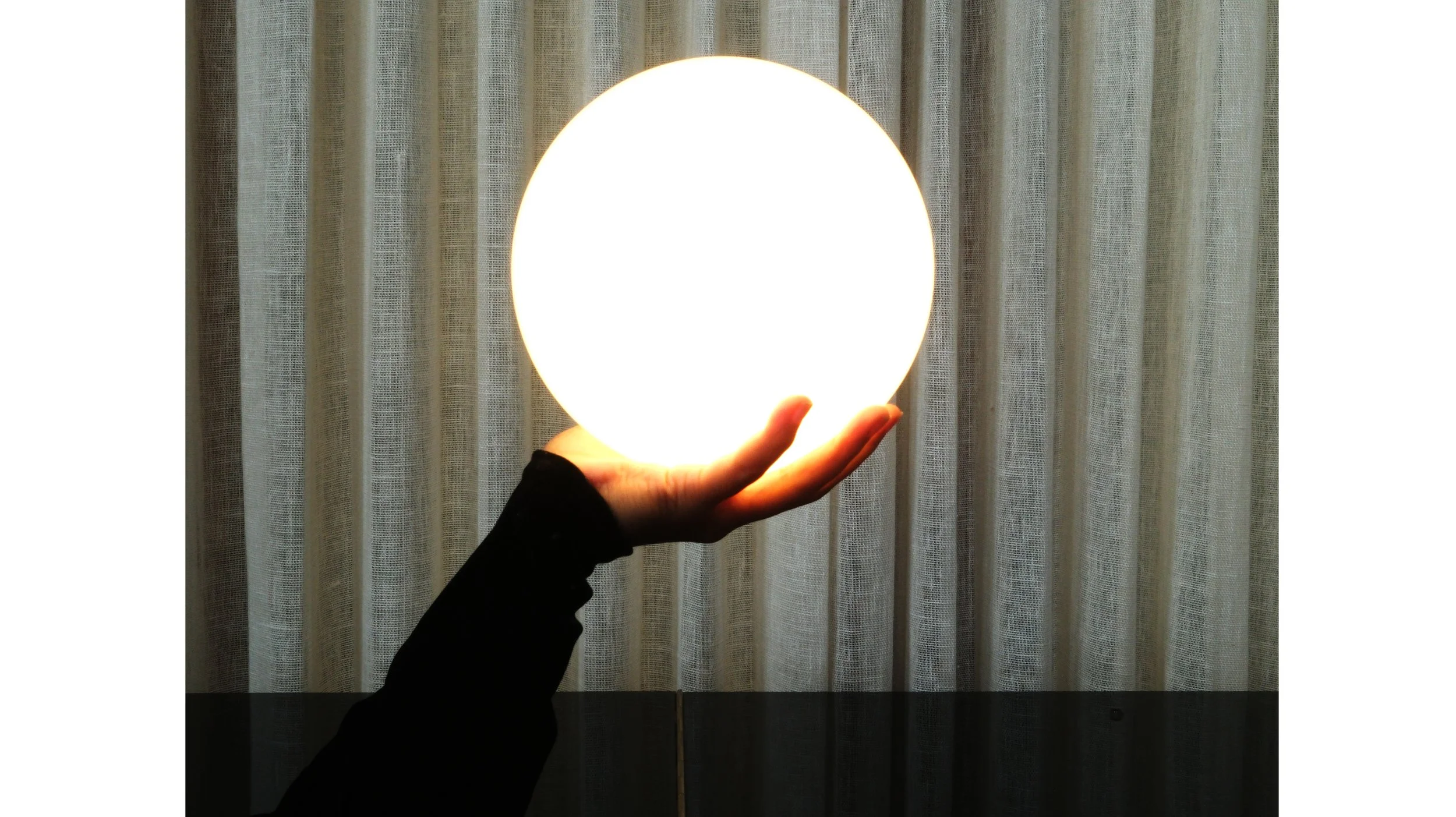
2026: A Forecast
Another brand new year begins. Another foray into the unknown. More so than other months, January is fertile ground for dwelling on what the future holds.
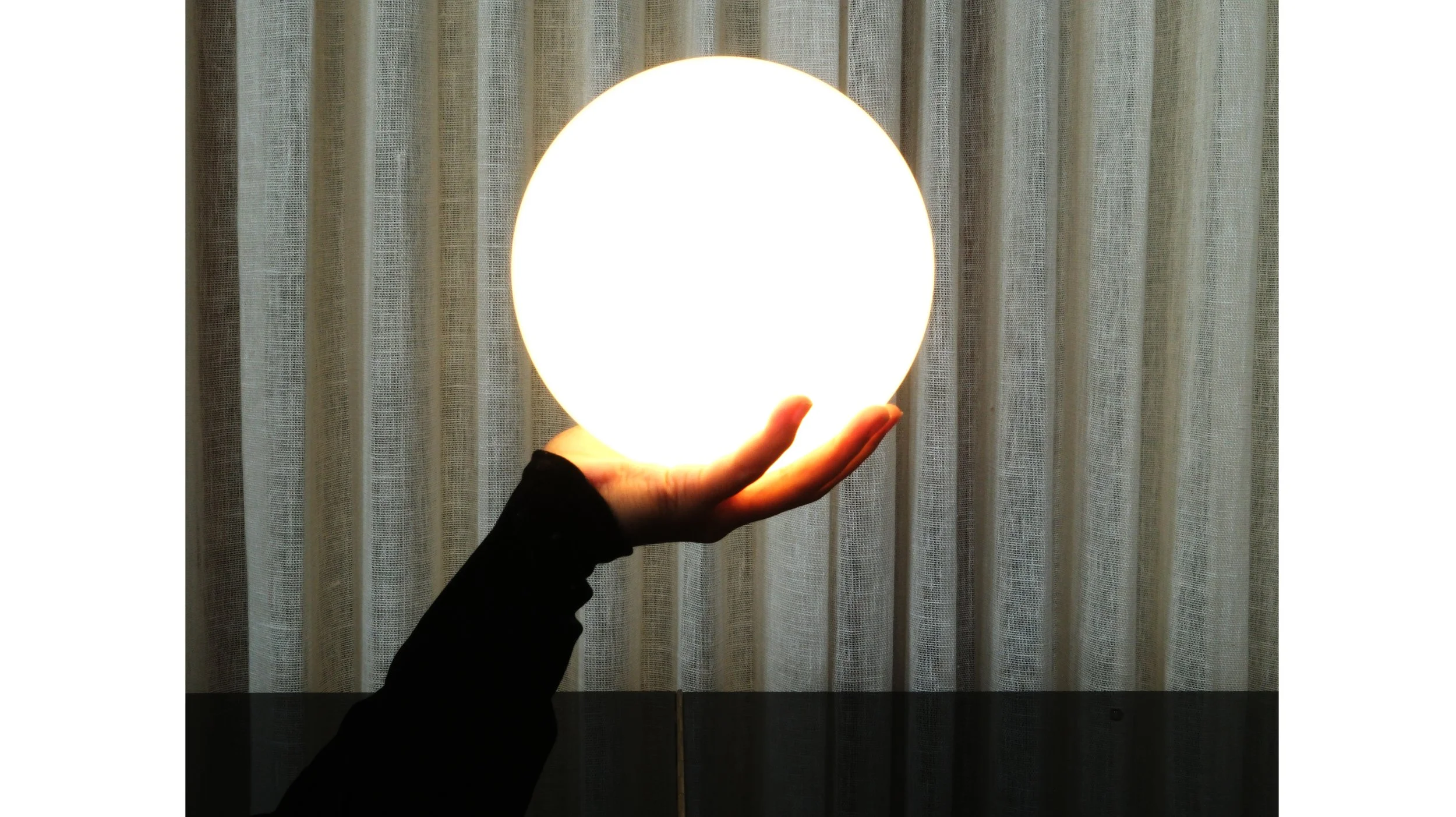
Image: Crystal Ball, 2026
Another brand new year begins. Another foray into the unknown. More so than other months, January is fertile ground for dwelling on what the future holds.
As a creative studio focused on brand strategy, we’re naturally drawn to headlines that ask, “What’s trending in 2026?”. But we soon become suspicious of their very definitive answers. That model worked, so long as there were clear top-down orders from an elite set who made all our decisions for us. It doesn’t anymore.
In today’s hyper-digital world, where social platforms have decentralised this process of decision-making, we know that anyone with a smartphone (so, basically everyone) is a potential tastemaker. A viral TikTok, a cleverly crafted meme, even a subreddit thread can ignite a global movement overnight. Anything can happen, and it’s both exhilarating and exhausting.
If there’s one thing the 2020s has taught us, it’s to expect the unexpected.
But we’re also internet-literate enough to know that “potential” is the operative word here. In this murky realm of algorithms, shadow bans, bots and strategic PR boosts, the churn is often cartoonishly blatant, as it spits out recycled mutations of what it condescends to know about us. It’s hard to tell what’s organic from what’s been carefully calculated and paid for.
What’s in a trend anyway? Is it all just a helpless bid for control? Faced with the spectre of impending doom—AI, war, inflation, polarisation, our planet in polycrisis—do we cling to micro distractions as a coping mechanism for how overwhelming the big picture is? Like, we might not be able to stop fascism, so let’s solve gut health and skincare?
It’s easy to delude ourselves into thinking we’re above trends, but at its core, a trend is simply a collective human moment. So what if it originated in a strategy meeting? Somewhere, somehow, it struck a chord. It means, we’ve all agreed––impossible as it is these days––on SOMETHING.
At its lightest, this may be a great summer bop that’s now forever linked with a special time and place. At its best, it could be a once marginalised phenomenon finally getting its ray of sun. Good, bad, ridiculous or ugly––trends say something about who we are as a society. Even if that something is not always comfortable to look at in the mirror.
Our rule of thumb? We’re here to listen to the wind, but only champion what we truly believe in—confident that when the time is right, it will enter the collective mainstream and trend, for whatever that’s worth. As we forge into the unknown this year, our plan is to make one intentional choice after the other, and allow ourselves to go where that takes us.
CURRENT FAVES
Here are three fitting works we’re bringing into 2026. Consume them, as you please, and always at your discretion.
READ Empire of AI: Dreams and Nightmares in Sam Altman's OpenAI by Karen Hao, an eye-opening account of arguably the most fateful tech arms race in history that is reshaping the planet in real time, straight from the cockpit of the company that’s driving the frenzy.
LISTEN The Devil You Know by Sarah Marshall, an eight-part podcast series about the Satanic Panic of the 1980s and 90s. Satan and his followers were accused of brainwashing children, sacrificing babies, and infiltrating North American society on a massive scale—yet these alleged Satanists were nowhere to be found. Marshall deconstructs this dangerous groupthink in a way that’s highly entertaining, as well as informative.
WATCH Our Oceans on Netflix, a documentary series that explores the wonder of Earth's oceans. It features incredible cinematography, and is presented by none other than Barack Obama. Released in November of 2024, it remains as evergreen (or blue) and vital as ever.
And lastly, here’s some GOOD NEWS to start the month on a positive note: The Breakthrough That Could Solve Ocean Plastic
Go lightly x

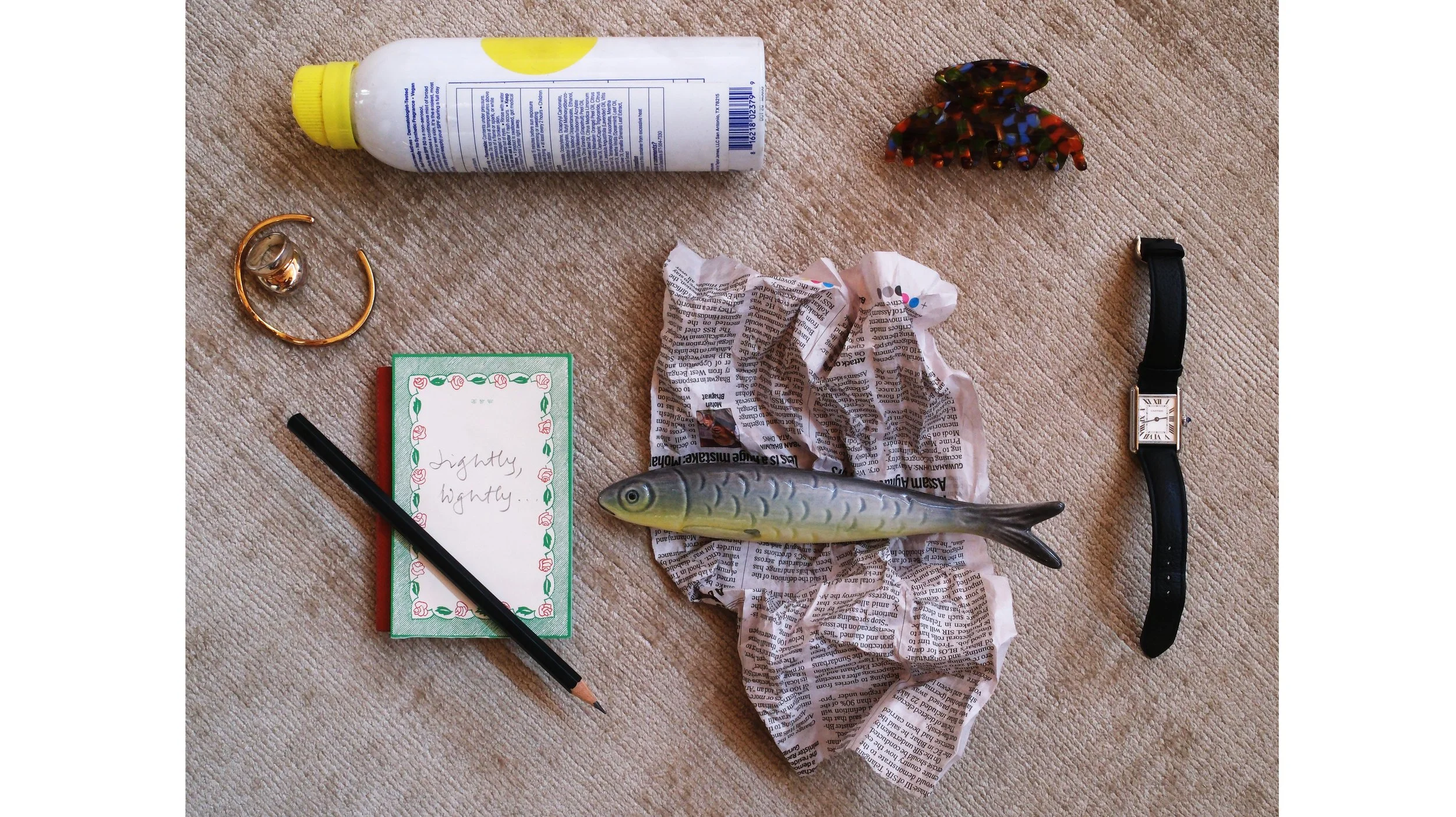
Lightly, Lightly...
An iconic spoken word poem warned us of the trappings of those early-Internet days of the 1990s. But here we are at the dawn of yet another new year—still optimising for every metric in the book.
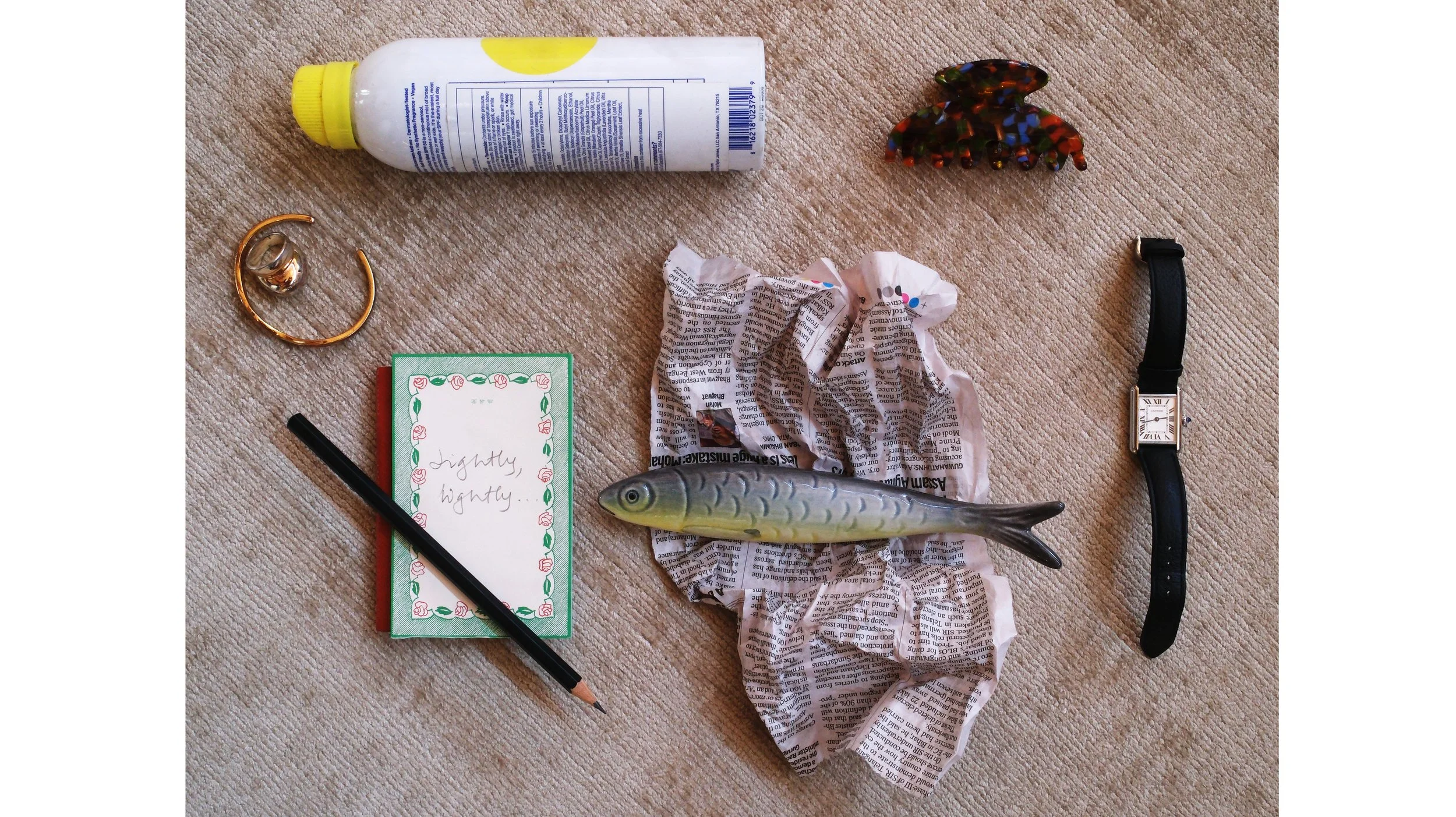
Image: Bare Necessities, 2025
In 1997, when Radiohead dropped their third studio album OK Computer, we were still kids. We discovered them in our angsty teens, through the Internet—a shiny new toy we'd magically hook up to via a noisy DSL modem in our shared bedroom. Their music filtered through LimeWire like a soundtrack for adulthood... both electrifying and ominous.
Looking back now, they seem downright psychic, having sensed the side effects of a totally wired world: the mindless amusement, the echo-chamber conformity, the pressure to keep up.
Fitter happier. More productive. Comfortable. Not drinking too much. Regular exercise at the gym (3 days a week)… sound familiar?
Thom Yorke, the band’s lead singer, has said this iconic spoken word poem was inspired by all the ways that people were supposed to live in the 1990s. Yet here we still are at the crack of 2026––optimising for every metric in the book. Strapping on our smart watches. Keeping track of steps, heart rate, REM, what Trump said in the morning, why so-and-so is holidaying in Europe (again??) and we’re not, movie watch-list before the Oscars, what Trump said in the evening, the f**k is 6-7? And do we really need to care?
It all just feels heavy.
There is so much noise in the world right now. At times, it seems as though our greatest challenge is to create enough space to form our own thoughts. To break away from this endless trap of production and consumption, and tune into the things most important to us.
How to drown out the noise, then, without burying our heads in the sand? (lest we get left behind as the future marches on)...
“Lightly, lightly—it's the best advice ever given me... so throw away your baggage and go forward. There are quicksands all about you, sucking at your feet, trying to suck you down into fear and self-pity and despair. That’s why you must walk so lightly.”
~ Aldous Huxley on approaching life with lightness
In an overwhelming world where everything exists everywhere all at once, the bright side is that everything exists everywhere all at once. And for the first time in history, you get to choose what works for you. Not the patriarchy, nor institutionalised religion; not some rando on Instagram or a flimsy politician. The time has come to delineate for ourselves.
It’s something we talk about actively at the studio. Because with power comes responsibility—to fellow travellers in this transient existence, and to ourselves. To choose to be moral in the face of anarchy may seem pointless, but it could be the only thing that will keep us sane in an increasingly nihilistic world.
So our goal for 2026 is to home in on our own personal religion—to customise an approach to life and work that makes us feel lighter, happier, and more productive. We invite you to try it too. What’s your philosophy, your moral code, your unique hierarchy of needs?
Whether it’s finding purpose within a career, or a cause, strengthening ties with friends and family, or paying more attention to your physical and mental health, the equation will look different for each of us. That’s the whole point. Once you’re tuned into your signals, it’s easy(er) to filter out the noise.
Because whatever the downsides of our modern world may be, in the year 2026, the upside is you don’t need to conform.
Go lightly x
lighter. happier. more productive.
lighter. happier. more productive.